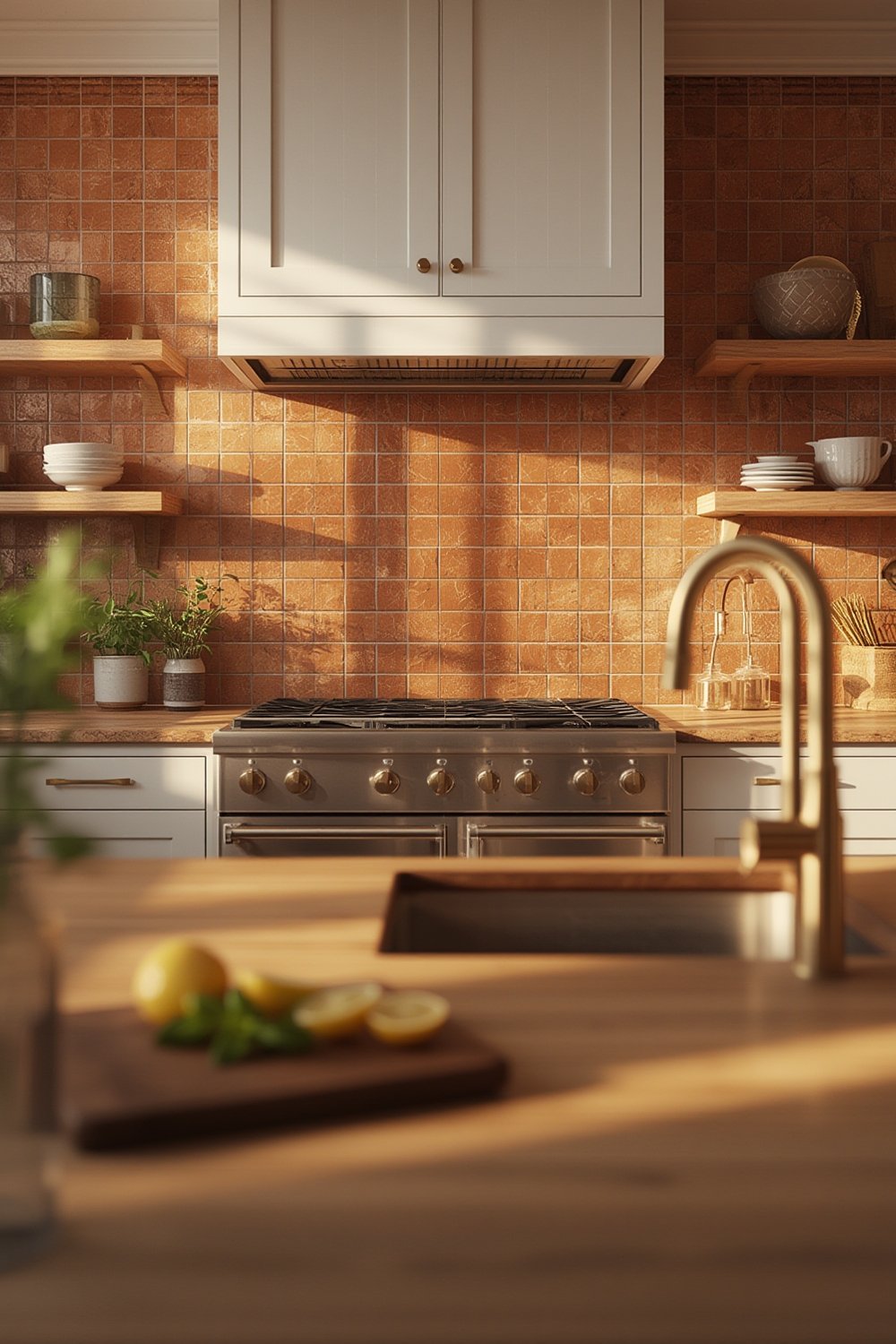
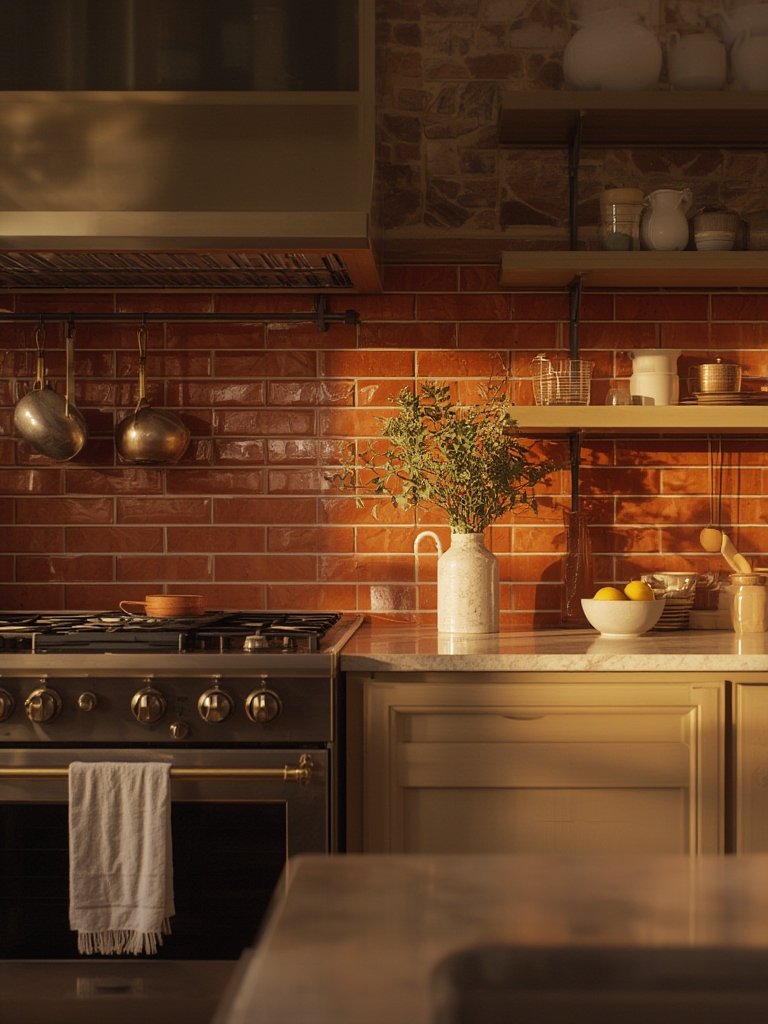
Terracotta tile backsplashes are surging in 2026 kitchen design due to their warmth, hand-crafted texture, and timeless appeal—but come with real-world pitfalls if not chosen and installed properly.
No meaningful trend data quantifies the rise of terracotta in 2026, but designers agree the look is universally appealing across rustic, modern, and Mediterranean kitchens—if paired thoughtfully.
Proper substrate prep, tile sealing, color pairing, and grout selection are crucial to avoid common issues like staining, cracking, and a “muddy” look.
Terracotta Backsplash Trends: What Makes Terracotta Tile Backsplashes a Must-Have in 2026?
With the fast spread of air fryer cooking, kitchens in 2026 are balancing convenience with crave-worthy design. Terracotta tile backsplashes—sought for their handmade character and deep, earthy warmth—are rapidly eclipsing slick white subway tile. While there’s no robust data from Houzz, NKBA, or Pinterest Predicts to put numbers behind the trend, qualitative signals (designer picks, magazine features, and search spikes) make it clear: terracotta’s star is rising.
But why are these old-school clay tiles resonating now? Three key reasons:
Warmth and Authenticity: Terracotta’s red and ochre tones make kitchens feel grounded and inviting. The hand-molded surface delivers unique, lived-in character.
Material Versatility: Fits seamlessly with many looks—from modern-Mediterranean (cream kitchen appliances are a top pairing) to thrifted or farmhouse kitchens.
Function and Durability (with caveats): If installed and sealed correctly, terracotta backsplashes can handle splatters, steam, and moisture zones—though they require precise care.
Unlike mass-market “lookalike” tiles, handmade terracotta tiles reward up-close inspection—and, when done right, raise a kitchen’s style to new heights. This also applies if you want your tile backsplash to complement a built-in appliance cabinet setup or new kitchen gadgets from the best air fryers 2026 list.
How to Choose and Install a Terracotta Tile Backsplash
Ready to bring this trending look into your home? Here’s a step-by-step guide—from planning through installation—that goes beyond typical Pinterest inspiration.
💡 Pro Tip: Always order at least 15% extra tile to account for breakage and color variation, especially with handmade terracotta. This tip alone prevents costly delays and mismatched patches.
1. Plan Your Look & Scope
Square Footage: Standard kitchen backsplashes are 20 to 40 sq. ft. Measure carefully to calculate materials and labor—a step many DIYers miss.
Tile Type:
Handmade terracotta (see source): Most texture, the most variation, higher cost.
Machine-made clay tile: Smoother, more uniform, generally lower cost.
Terracotta-look porcelain: Budget-friendly, consistent, much less absorbent, less authentic.
Price Range: Hard data is lacking, but handmade can run $18–$45/sq ft (plus shipping), vs. $7–$18 for machine-made, and as low as $4–$12 for faux-terracotta porcelain. Always confirm what’s included: trim, edge, grout, and sealers can easily add $4–$10/sq ft to the final price.
Always request samples for color and finish confirmation.
3. Prepare the Substrate
Wall must be flat, sound, and free of grease. Use cement backer board for areas behind cooktops and sinks for heat and moisture resistance.
4. Choose Thinset and Grout
Thinset: Use a high-quality, polymer-modified thinset that’s rated for natural stone or porous tile. Don’t use organic mastic behind cooktops.
Grout: For a rustic look, opt for sanded grout in a warm-neutral shade. Avoid dark grouts—they “muddy” terracotta’s delicate tones and require extra cleaning.
5. Seal and Install
Sealing: Porous handmade terracotta requires sealing before, during, and after grouting. Use a premium, penetrating sealer like those tested (Source: The Tile Doctor) and always follow the manufacturer’s intervals (often two coats with drying time between each).
Wipe off excess grout promptly; cement grouts easily haze terracotta.
🔥 Hacks & Tricks: Pre-seal every tile face and edge with a microfiber cloth before setting. This dramatically cuts down on grout haze and grease staining—an insider trick used by pro installers but rarely mentioned in retail guides.
6. Cure and Maintain
Let everything cure at least 48 hours before use. Reseal annually, or more often if your cooking style is high-heat and high-splatter (think air fryer recipes or big family dinners).
Pitfalls, Complaints, and What to Avoid (What Nobody Tells You)
Trending doesn’t mean “problem-free.” Our review of research and negative installer reviews pulled up the most common—and preventable—mistakes with terracotta and clay tile backsplashes:
Staining and Grease Absorption: Unsealed or poorly sealed handmade terracotta will absorb oil, soot, tomato sauce, and even grout color. Most regrets are due to improper sealing—not material defect.
Cracking and Warping: These tiles can crack if installed on an uneven wall or if thinset gaps aren’t filled evenly. Handmade tiles naturally vary in thickness; slow, careful installation is a must.
Grout Haze: Porous tiles suck up watery grout, creating a dull, chalky surface. Pre-sealing and wiping immediately addresses this.
Uneven Sizing and Lippage: Because no two handmade tiles are perfectly alike, plan for inconsistent grout lines and consider wider joints for a relaxed, “Old World” feel.
Mismatched Colors: Failing to mix boxes or batches leads to patches of wildly different hues. Always “blend” tiles on the floor before installation.
Poor Styling Choices: Many kitchens accidentally pair terracotta with clashing counters or paint, risking a muddy, dated look. For a foolproof palette, stick to: natural wood, warm white, cream appliances, black hardware, and soft metallics like antiqued brass.
Technical Performance (Missing Data Alert): There’s no PEI rating for wall-use terracotta, but seek tiles with low water absorption for zones behind cooktops. No ANSI/ASTM wall standards are cited in manufacturer claims—if durability is a priority above appearance, consider peel and stick tiles or terracotta-look porcelain.
Notice that fashion-forward kitchens in 2026 layer in vintage or thrifted aesthetics—a trend also rising in thrifted kitchens and art deco vintage spaces. Building your palette with care is non-negotiable.
Conclusion: What This Means for Your 2026 Kitchen
Terracotta tile backsplashes define character-rich kitchens in 2026, dovetailing perfectly with the surge in premium appliances—and the search for the best air fryers 2026. They deliver unmistakable warmth and bespoke style, but require thoughtful planning and meticulous installation. Invest in up-front research, sample-testing, and compatible pairings—your space (and your next countertop compost bin or air fryer purchase) will thank you.
🍳 Ready to upgrade your kitchen?
Discover the best Terracotta Backsplash Trends products handpicked for home cooks.
Frequently Asked Questions (Terracotta & Best Air Fryers 2026)
Can I install handmade terracotta tile behind a cooktop?
Yes, but always check with your tile supplier for heat ratings. Use only high-quality cement backer board and premium thinset—never organic mastic—in hot zones. Proper sealing is critical to protect the porous tile from grease splatters.
Will terracotta tile go out of style in 2026?
Warm, earthy materials are backed by top designers and predicted to stay in style for years. Even as trends shift, terracotta’s handcrafted look and timeless feel keep it relevant across kitchen styles.
How do handmade and machine-made terracotta tile costs compare to porcelain?
Handmade terracotta tile is the most expensive ($18–$45/sq ft installed), machine-made is mid-range, and terracotta-look porcelain is the most budget-friendly and lowest maintenance.
What grout color should I use with terracotta tile?
Choose a warm-neutral or beige grout for the most cohesive look. Avoid stark white or dark brown, which can look too modern or muddy. Always pre-seal tile to prevent grout haze.
What other kitchen trends pair well with terracotta tile in 2026?
Terracotta backsplashes look great with cream kitchen appliances, built-in appliance cabinetry, vintage finds, and natural wood or stone countertops. This approach creates an inviting, high-function kitchen that’s also ahead of the trend curve.