

🛒 Looking for the best Appliance Garage Cabinet? Check the best options on Amazon — trusted by thousands of home cooks.
Appliance Garage Cabinet: Best air fryers 2026 are at the heart of smarter, more organized kitchen upgrades – and if you want your countertop appliances close but out of sight, you need to understand how the latest appliance garage concepts fit into today’s kitchen designs. Whether you’re planning a remodel or simply wish to keep your new best air fryer within easy reach but off the counter, this guide walks you through what matters for 2026, with actionable advice and crucial warnings most sites skip.
🛒 Looking for the best Appliance Garage Cabinet? Check out the top-rated options trusted by thousands of home cooks.
Key Takeaways
- Appliance garages are a trending solution for keeping top-rated 2026 air fryers and other small appliances hidden, but seamless integration isn’t always plug-and-play.
- Installation costs vary widely, and most projects require some customization to match your kitchen’s size, style, and usage needs.
- Technical specs and pitfalls like ventilation, electrical access, and door clearances are often missing from top guides—make sure you plan for them.
- What Is an Appliance Garage Cabinet and Why Use One?
- How to Plan and Install an Appliance Garage for Your Air Fryer
- Common Pitfalls and Pro Solutions for 2026 Appliance Garage Setups
- Conclusion: Should You Store Your Best Air Fryer 2026 in an Appliance Garage?
- FAQ: Appliance Garages and Best Air Fryers 2026
What Is an Appliance Garage Cabinet and Why Use One?
As air fryers have moved from “fad” to everyday must-have, more homeowners want to keep their new kitchen appliances—like the best air fryers 2026—out of sight but ready for action. An appliance garage is just that: a dedicated nook with a door (roll-up, pocket, or lift-up) to house small appliances. It’s all about reducing countertop clutter, keeping cords contained, and achieving the seamless, modern look people want from today’s kitchens.
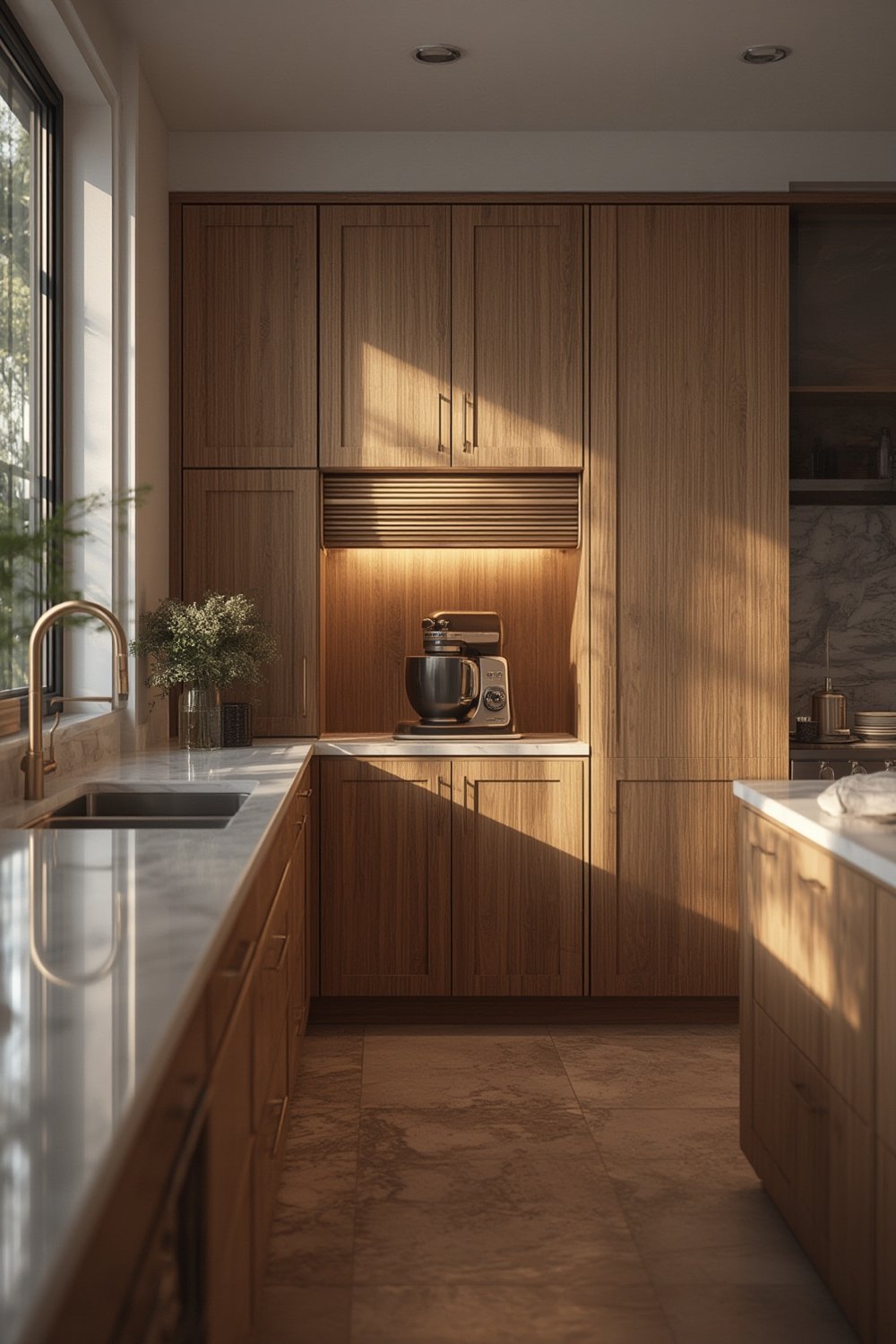
According to recent kitchen design studies by NKBA and Houzz, specialty storage is on the rise, even if appliance garages specifically don’t have clear reporting yet. What’s unmistakable: the demand for organized, handleless, or enclosed cabinetry is up. Homeowners doing full remodels are increasingly specifying hidden coffee stations, air fryer stations, and custom mixer lift cabinets as part of a decluttering push. This is reflected in rising search terms like cabinets for built in appliances and integrated appliance panels.
Why hide your air fryer? Three key reasons:
- A clutter-free, easy-to-clean work surface—even in a small or galley kitchen.
- Visual “calm” that matches other popular trends like cream kitchen appliances and thrifted kitchens.
- Safe, convenient access to your best air fryer without it dominating the kitchen design.
But, as you’ll see in Section 3, not all appliance garages can accommodate every air fryer or setup—technical details matter if you want this upgrade to work smoothly.
How to Plan and Install an Appliance Garage for Your Air Fryer
⭐ Our Top Pick: Find the best Appliance Garage Cabinet deals on Amazon — updated daily with verified reviews and competitive prices.
Ready to give your air fryer (or toaster, coffee maker, or stand mixer) a proper home? Here’s a practical, no-nonsense step-by-step process to ensure your appliance garage solves rather than creates problems for your kitchen in 2026 and beyond.
- List all appliances you want to stash. For most, the best air fryer 2026 will be the largest—be realistic about whether a single door/cabinet can handle all your gear comfortably.
- Calculate minimum internal dimensions. For a best air fryer for family of 4, estimate at least 13-15 inches wide, 15-17 inches deep, and 16-18 inches tall—more for XL models. Compact or portable air fryer models need less, but still require airflow.
- Decide on door style. Tambour (roll-up) is most common for tight spaces; pocket or lift-up doors allow full-front access but eat into adjacent cabinet width. Pocket and roll-up doors also have fewer protruding elements to catch on.
- Plan electrical outlet placement. You must have at least one dedicated outlet inside the cabinet, ideally GFCI-protected per code. Many appliance garage users prefer to place outlets at rear center (with heavy-duty cord pass-throughs) or side walls for better fit and easier reach.
- Check base and side clearances. Cabinet hardware (door tracks, hinges, lifts) can eat into usable space—check total internal width and depth after accounting for these.
- Ventilation is not optional. Running an air fryer inside an enclosed space can create dangerous heat and steam buildup. If you must use the appliance without pulling it all the way out: make sure the cabinet has a cutout or vented back, and always open the door fully during operation.
- Choose hardware with high cycle ratings. Many manufacturers don’t publish exact figures, but if possible, choose mechanisms rated for 30,000+ cycles for daily use.
- Price out the costs accurately. For 2026, expect a basic stock appliance garage conversion (materials and labor) to land between $500–$2,000, not including premium hardware or electrical work. Custom setups and higher-end finishes can easily run higher (remodeling.hw.net).
- Hire the right pro. Many appliance garages can be installed by skilled cabinetmakers or kitchen remodelers. Confirm that they understand your appliances’ actual power, ventilation, and access needs—especially if you’re prepping for a quiet air fryer or bulkier multi-function models.

Common Pitfalls and Pro Solutions for 2026 Appliance Garage Setups
Despite the visual calm, appliance garages can backfire—especially if you don’t plan for real-life usage. Here’s what research and experience show are the top issues most guides gloss over, with proven fixes:
- Ventilation and Heat Buildup: Most air fryers and toasters should never be operated inside a fully closed cabinet. Always open the garage fully; never block rear vents. If using a large unit (especially the best air fryer for family of 4) consider a Vented back panel or louvered door.
- Electrical Access and Cord Hazards: Tight corners can lead to tangled cords or risky extension cord use. Insist on a code-compliant, properly installed outlet inside the garage. Cord pass-throughs should be 2-3 inches wide and use grommets to prevent abrasion.
- Door Failures and Mechanism Fatigue: Roll-up and pocket doors are popular, but if hardware is under-rated, doors may jam or come off track (especially bi-folds or cheaper tambours). Choose doors with accessible, replaceable hardware so you aren’t locked out if something breaks.
- Clearance Shortfalls: Oversized models may block door closure or hang out the front. Always verify your appliance’s height and depth with the door mechanism engaged.
- Moisture and Grease Damage: Using an air fryer or toaster in a poorly-ventilated garage can create condensation, warping, or even mold. Wipe cabinets frequently and use washable liners. Consider easy-clean laminate or sealed wood for the interior.
- Noise and Vibration: Even the quiet air fryer models can rattle inside enclosed cabinetry if there’s no cushion. Install a thin rubber mat or anti-slip pad under appliances.
Real-world reviews are sparse, but look for kitchen forums or dedicated appliance design sites for user stories and further tips. Don’t overlook fire risk—almost every manufacturer notes on-page or in manuals that their appliance is ‘for open use only’ even if you store it tucked away.
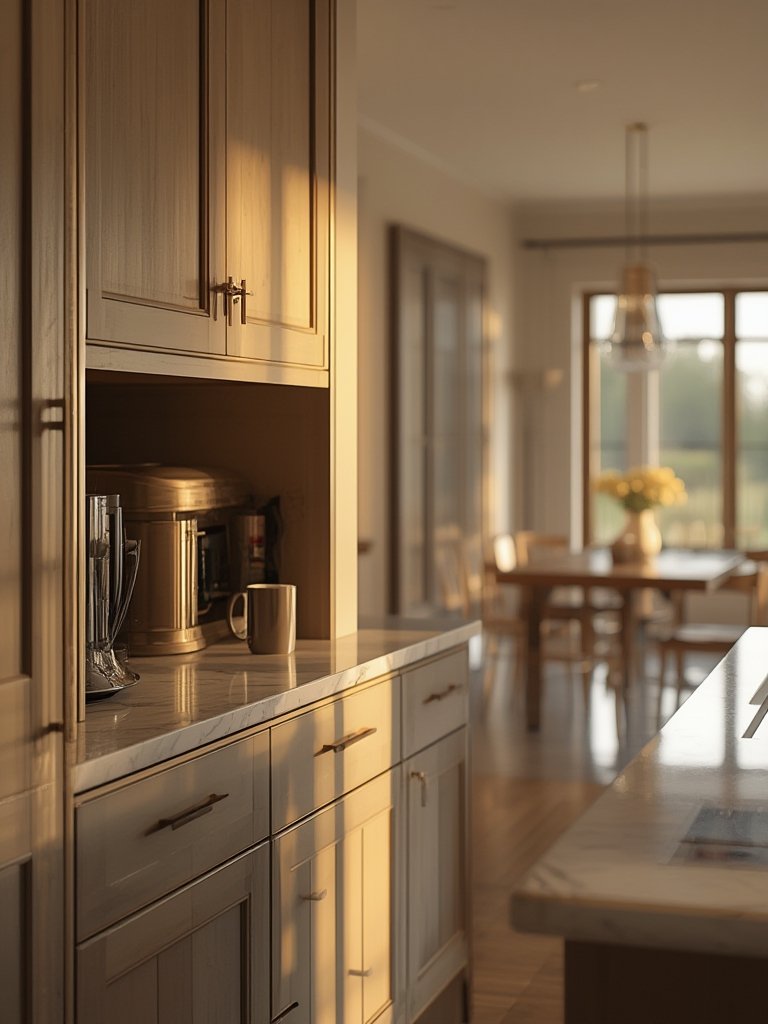
Want other ideas for making your kitchen both beautiful and functional? Check out these trending resources:
- Art Deco vintage kitchen design for a high-impact look
- Countertop compost bin reviews if you’re optimizing clutter
- Mexican tile backsplash for bold, modern statement walls
Conclusion: Should You Store Your Best Air Fryer 2026 in an Appliance Garage?
💡 Pro tip: Before buying, compare Appliance Garage Cabinet prices on Amazon to get the best deal with free shipping options.
With the surge of smart, compact, and highly rated air fryer models, hiding countertop appliances in a purpose-built garage cabinet is more popular than ever for 2026. But a well-executed appliance garage is not a set-it-and-forget-it project. Be realistic about clearance, ventilation, and electrical—these technical details are crucial for safety and satisfaction.
For homeowners who value clean counters, less clutter, and a streamlined kitchen aesthetic, investing in a garage cabinet for your best air fryers 2026 just makes sense—if you do your homework and refuse to cut corners on specs or installation. Use this guide as your checklist, and enjoy the best of both worlds: a tidy kitchen, and your favorite gadgets always within reach.
🍳 Ready to upgrade your kitchen?
Discover the best Appliance Garage Cabinet products handpicked for home cooks.
FAQ: Appliance Garages and Best Air Fryers 2026
Can I run my air fryer inside an appliance garage with the door closed?
No. Running an air fryer—the best air fryer 2026 or any model—inside a closed cabinet risks heat buildup, poor ventilation, and fire hazard. Always open the garage fully before using any appliance.
What are the minimum size requirements for storing a family-sized air fryer in an appliance garage?
For the best air fryer for family of 4, aim for at least 15–17 inches depth, 13–15 inches width, and 16–18 inches height inside the cabinet, not including space eaten up by door hardware. Add extra room for cord and rear vent clearance.
What’s the best door type for appliance garages: roll-up, pocket, or lift-up?
Roll-up (tambour) doors save the most space in tight kitchens. Pocket doors offer full-front access but eat up more width. Lift-up is best for upper cabinets, but cycles add up over time. Pick hardware with proven durability and easy maintenance.
How much does it cost to add an appliance garage?
Most appliance garage cabinet projects cost between $500–$2,000 for stock or semi-custom setups (door and labor included), with fully custom options costing more. Electrical outlet installation is extra. Get multiple quotes before starting.
How do I keep my appliance garage clean and safe for food prep?
Use washable liners or trays, wipe down surfaces frequently, and avoid using hot appliances inside closed spaces. Choose nonporous or sealed finishes for easier clean-up. For more cleaning tips, see our cream kitchen appliances guide.
—