Best air fryers 2026 searches have exploded, making it clear that shoppers want to know which models actually deliver in the kitchen this year. With dozens of brands promising faster, quieter, and smarter air frying, it can feel overwhelming to find the truly top-rated air fryer for your family. This guide will break down the real differences, reveal what actually matters, and help you shop with complete confidence.
Key Takeaways
The best air fryers 2026 are quieter, more energy efficient, and easier to clean than past models—if you choose wisely.
All-in-one air fryer-ovens and large smart models offer versatility but require more counter space and a learning curve.
Independent air fryer reviews 2026 emphasize prioritizing cooking performance, ease of use, and build quality over just flashy features.
Cabinets For Built-in Appliances 2026: What Are the Best Air Fryers in 2026 and Why Do They Stand Out?
Air fryers have evolved from one-trick gadgets into full-scale kitchen workhorses. In 2026, the market is booming with new entrants, but the principles for choosing the best air fryer remain: efficient cooking, safety, reliability, and features you’ll actually use. The top air fryers in 2026 go beyond basic fries and nuggets—they can roast chicken, dehydrate fruit, bake desserts, and help you meal prep with ease.
Key innovations this year include:
Ultra-quiet motor technology for open-concept kitchens (quiet air fryer models are finally here)
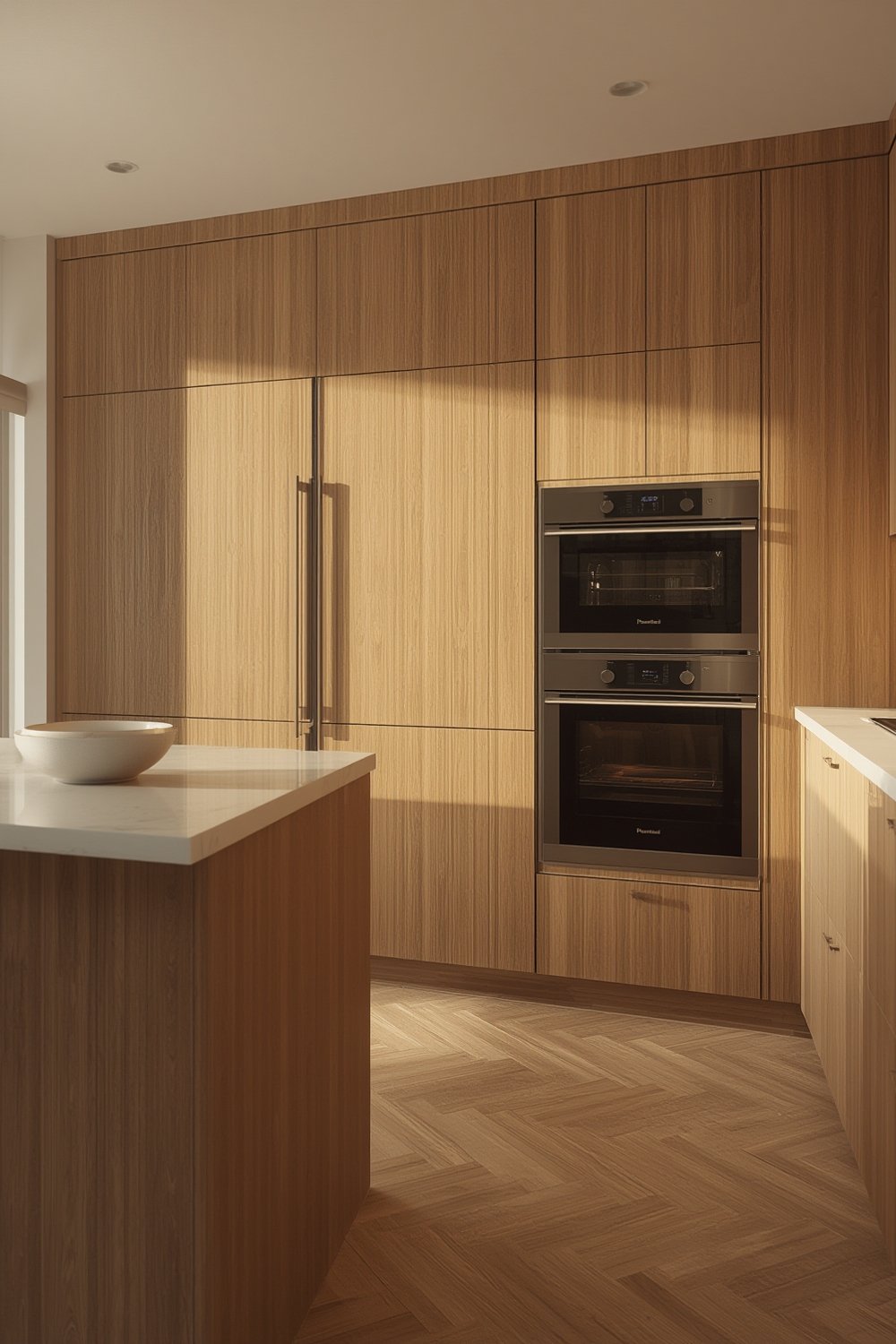
Sleek, integrated designs complement modern kitchens, pairing well with cabinets for built in appliances for a clutter-free look
Smarter controls with app connectivity and voice guidance
Better nonstick and dishwasher-safe accessories, making cleanup faster
However, not all new features are truly useful in daily, real-world cooking. That’s why verified independent air fryer reviews for 2026 stress the need to check real-life performance—not just marketing claims.
How to Choose the Best Air Fryer for Your Needs (2026 Guide)
The best air fryer for your kitchen depends on your family size, favorite foods, and available counter space. Here’s how to narrow your shortlist in a way that avoids regrets:
💡 Pro Tip: Always measure your counter height and depth before ordering. Many 2026 models are bulkier than expected, especially the top rated air fryer ovens with built-in dual baskets and accessories. If space is tight, a small air fryer or mini air fryer is the smarter pick.
Capacity matters: A 5- to 6-quart air fryer for family of 4 is the practical sweet spot. Smaller units save space but limit batch cooking.
Noise level is key: Test for low decibel ratings or look for “quiet technology” specs—read air fryer reviews 2026 for honest feedback.
Control style: Dial controls are simplest, but digital and smart app-linked models add precision and remote features.
Essential must-haves: Nonstick removable drawer/basket, overheat protection, and easy-to-clean accessories.
🔥 Hacks & Tricks: Look for deals during major appliance launch windows—spring and fall are when brands release new models. Older but reliable models may see their prices slashed. Check for bonus bundles that add valuable accessories like racks or air fryer recipe books for free.
Top-Rated Air Fryer Brands to Watch in 2026
Cosori: Continues winning with ultra-consistent results and app-connected cooking modes.
Ninja: Known for multi-cooker versatility; new dual-basket models allow true meal prep.
Philips: Premium build, exceptional crisping, and easy cleanup but at higher prices.
Even as technology gets better, several issues remain—especially for those chasing TikTok trends or picking based on looks alone. Here’s what to watch out for, so you don’t end up with buyer’s remorse:
Super-sized models: While tempting for batch cooking, these require significant counter and storage space. They also take longer to preheat and can feel wasteful if you’re cooking for two. For smaller households, a compact air fryer makes more sense.
Complex interfaces: “Smart” features sound helpful but often add complexity. Make sure buttons are intuitive and displays are clear, especially for elderly users or teens.
Poor nonstick coatings: Cheaper brands cut costs on drawer coatings—expect more sticking/cleaning headaches. For healthy air fryer meals and easy snack runs, a quality nonstick is a must (see Wirecutter’s test results).
Misleading “dishwasher safe” labels: Some accessories warp or discolor after just a few cycles. Always rinse and check manufacturer care tips, especially for large trays.
Unrealistic marketing claims: Fast, golden results are only possible with proper batch sizes and regular basket shaking. Check realistic air fryer reviews 2026 to see what real-world performance looks like.
Design mismatch: Clashing finishes or odd design lines can disrupt modern kitchens. Consider how your air fryer looks beside your cream kitchen appliances or thrifted kitchens finds before you buy.
Who Should (and Should NOT) Buy a 2026 Air Fryer?
Great for: Busy families, meal preppers, snackers, anyone looking for less oil in comfort foods
Not for: Large batch bakers, those with no counter space, users who prefer traditional ovens for every task
Conclusion: Picking the Best Air Fryer for Your Kitchen
With dozens of launches and a surge in attention, the best air fryers 2026 are more capable, energy efficient, and kitchen-friendly than ever before. Choose wisely by matching features to your habits instead of the latest trending hype. Pay attention to honest air fryer reviews 2026, compare real capacities, and consider style compatibility with the rest of your appliances (especially if you’re upgrading to a built-in appliance cabinet layout or customizing with integrated appliance panels).
Bake, roast, dehydrate, and air fry healthier meals—without regretful purchases or constant cleanup stress. And remember: the top rated air fryer for someone else might not be best for your kitchen. Use this 2026 guide to make the call with confidence.
🍳 Ready to upgrade your kitchen?
Discover the best Cabinets For Built-in Appliances 2026 products handpicked for home cooks.
Smart air fryers with Wi-Fi/app control are great if you enjoy remote monitoring and getting recipe suggestions. However, if you just want simple, quick cooking for meals and snacks, a classic model without smart features will work just as well—and often cost less.
What capacity air fryer do I need for a family of 4?
A 5-6 quart air fryer is the most practical size for a family of four. It allows you to cook a batch of fries, a whole chicken, or enough snacks without crowding the basket—or needing to cook in multiple rounds.
How do I know if a new air fryer is truly quiet?
Look for models advertising “quiet technology” and check decibel ratings (ideally under 60dB). Genuine quiet air fryer models get called out in independent reviews, so check sites like Consumer Reports before you buy.
Can I use aluminum foil or parchment in an air fryer?
Yes, but always follow your manufacturer’s safety guidelines. Parchment liners designed for air fryers help prevent sticking. Foil can be used cautiously, but never block the airflow or heating element.
What are the best accessories to upgrade my air fryer?
Racks for multi-layer cooking, silicone tongs, and nonstick baskets make a big difference. Recipe books or air fryer recipes guides add inspiration for new meals beyond fries and chicken tenders.