

Cream kitchen appliances are taking center stage in kitchen design for 2026, catching attention for their ability to bring warmth and subtlety to any cooking space. Whether you’re attracted to the classic charm or you’re planning a full appliance refresh, understanding the ins and outs of cream finishes can make all the difference in pulling off that cohesive, inviting look.
Key Takeaways
- Cream kitchen appliances blend warmth and timeless appeal, but their undertones and finishes require careful coordination to avoid clashing or mismatches.
- The right cream appliance depends on lighting, existing kitchen surfaces, and attention to finish details—designers recommend 3000–3500K lighting for best effect.
- Building a cohesive cream kitchen takes more than buying a matching set—mix and match using undertone strategies and versatile brands when one-brand bundles aren’t available.
- The Core Concept: What Are Cream Kitchen Appliances and Why Choose Them?
- Step-by-Step Guide: Picking and Coordinating Cream Kitchen Appliances
- Advanced Analysis & Common Pitfalls With Cream Kitchen Appliances
- Conclusion
- FAQ
The Core Concept: What Are Cream Kitchen Appliances and Why Choose Them?
Cream kitchen appliances are defined by their warm, understated neutral hue—a clear departure from stark whites or reflective stainless steel. These appliances include essentials like cream toasters, cream kettles, and cream stand mixers, as well as larger pieces if you opt for premium lines or European brands. Unlike beige or “biscuit” finishes, cream has soft undertones that can lean yellow, pink, or even slightly gray, depending on the brand and line.
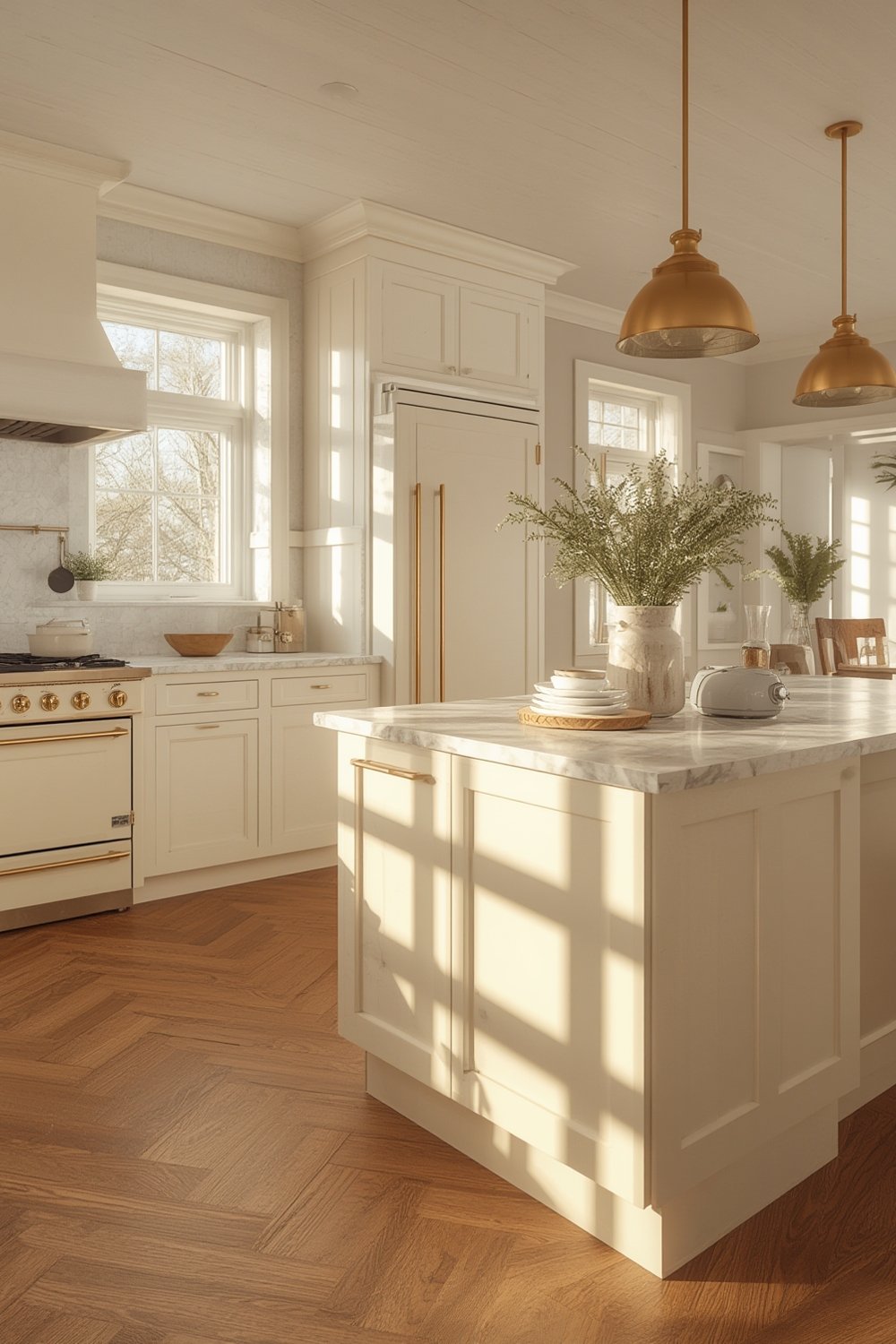
Why are so many turning to cream appliances? Recent design preferences favor warm, tactile neutrals—homeowners want a kitchen that feels cozy but not dated, inviting without resorting to bright whites. Top paintmakers report sustained popularity for cream shades (see Jacob Owens Designs), with favorites like Benjamin Moore Capitol White and Sherwin Williams Creamy leading the way. Choosing cream appliances lets you achieve that inviting effect with less visible dirt than pure white while avoiding the coldness of stainless.
But getting cream right takes more than picking the first “ivory” finish you find. Subtle undertones can make or break the look—especially under artificial light or next to other surfaces. Matching across brands, ensuring long-term durability, and dealing with real-world product constraints also matter. This guide offers the step-by-step clarity you need.
Step-by-Step Guide: Picking and Coordinating Cream Kitchen Appliances
To successfully select cream kitchen appliances and integrate them into your space, follow these actionable steps:
- Identify your target cream undertone. Not all “cream” hues are created equal. Check your current cabinets and counters for yellow, pink, or gray undertones. Use color chips or hold up samples to reveal whether you need a warm or cool cream appliance.
- Compare real-world photos and codes. For finishes like “biscuit” or “ivory,” check if the manufacturer lists any RAL, Pantone, or unique color codes. Search online for user photos of the exact item in real kitchens or browse Instagram/Pinterest posts (look for natural vs. artificial lighting comparisons). This approach is far more reliable than relying on retailer studio images alone. See design consultant tips here.
- Check finish type and material. Your cream appliance may be metal with a powder coat, porcelain enamel, or simply painted plastic. Enamel/metal offers a premium feel and long-term color stability, but paints on plastic can look cheap or yellow over time—particularly under southern light. If durability matters, lean toward powder-coated or enameled metal.
- Account for lighting direction and color temperature. Designers agree that LED bulbs at 3000–3500K (CRI 93+) offer the truest, most flattering warmth for cream finishes (source). Northeast-facing kitchens need warmer creams to avoid a washed-out look, while brighter rooms can handle cooler creams.
- Select coordinated surfaces and hardware. Choose countertops and backsplashes with similar undertones to your cream appliances. For example, Sherwin Williams Dover White works with earthy quartz like MSI Portico Cream. Avoid cool gray counters with yellowy cream appliances—they can clash (details here).
- Don’t chase matching bundles. Most brands do not offer complete, consistent sets in cream—often the toaster, kettle, and mixer are from different series. Instead, mix creams with matching undertones, and use hardware or accent pieces to visually connect them. Check our guide on cabinets for built-in appliances to seamlessly integrate appliances while minimizing finish mismatch.
- Weigh features and warranty. If possible, prioritize quality of mechanics and finishes over a perfect match—choose brands with strong reputations for durability and parts support. Repairability is challenging for some imported “retro” lines, so research warranty and replacement options.
- Budget realistically. Price differences between cream and other finishes are usually minimal, but premium enameled or hand-painted options do cost more. If price is a priority, consider cream finishes in small appliance lines from mainstream brands.

For more detailed shopping model specs, bookmark our yearly update on the best air fryers 2026—many include new warm cream and beige options that blend beautifully with classic kitchens.
If coordinating a warm neutral palette, learn how to plan the full package with our explainer on thrifted kitchens for tips on mixing new and vintage cream finds. For accessory ideas, see how peel and stick backsplash kitchen products can bridge subtle tonal gaps.
Advanced Analysis & Common Pitfalls With Cream Kitchen Appliances
While cream kitchen appliances are versatile, a few recurring issues and “gotchas” can derail your design or purchase:
| Pitfall | Why It Happens | How to Avoid/Fix |
|---|---|---|
| Undertone mismatches | Cream can lean yellow, pink, or gray—brands rarely specify the undertone, and lighting distorts perception. | Get physical samples, benchmark against your countertops, and compare in both daylight and under your kitchen’s lighting. |
| Finish and material quality | Painted plastics can appear “cheap” and yellow over time, especially under fluorescent lighting. | Opt for enameled or powder-coated finishes on metal. View units in-store or read long-term user reviews to check for complaints. |
| Difficulty matching across brands | Few brands offer full cream sets; colorways change or discontinue with little notice. | Pick versatile, muted cream shades (like Benjamin Moore White Down) and connect appliances through thoughtful hardware, shelving, or backsplashes instead of seeking a perfect match. |
| Clashing with existing surfaces | Cool grays or blue-leaning quartz often look strange with warm/yellowy cream appliances. | Pair cream appliances with similarly warm counters (taupe, beige, amber)—skip anything “icy” or blue-based. |
| False expectations from online images | Manufacturer photos are often shot under bright studio lights, making colors seem much lighter or more neutral than in a real kitchen. | Look for customer-submitted kitchen gallery photos online and check daylight versus artificial lighting results. |
If you’re integrating a cream stand mixer with additional appliances, consider discrete storage: our guide to appliance garage cabinet design can help corral visual clutter while still keeping your look cohesive.
Conclusion
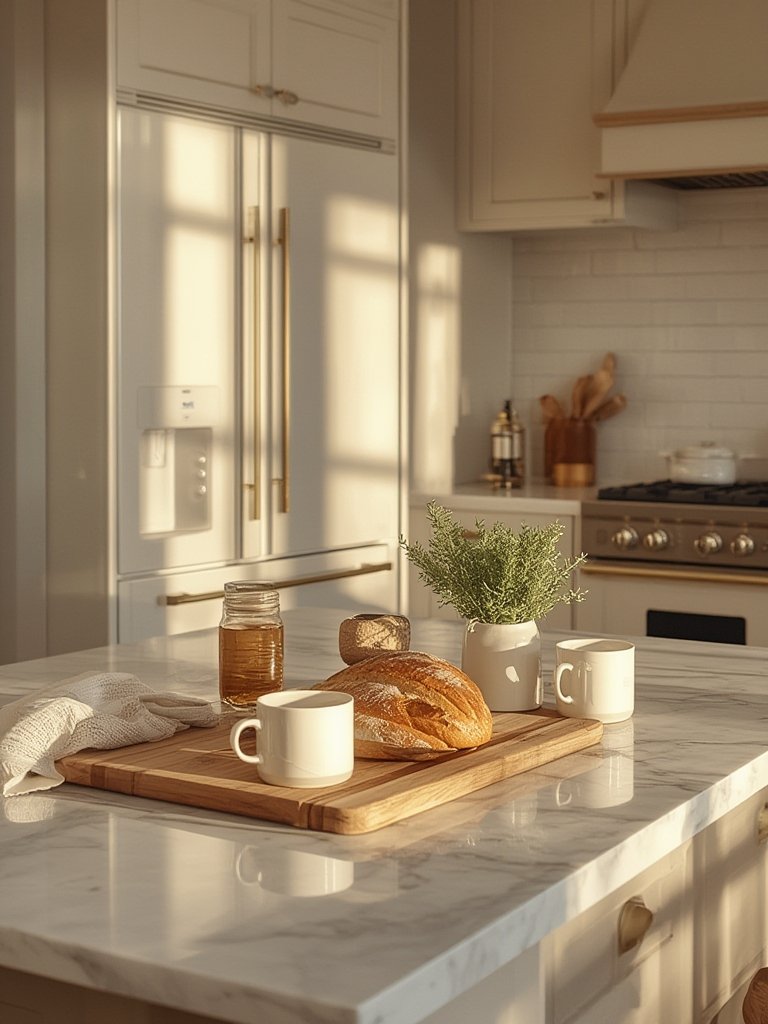
Done right, a kitchen built around cream kitchen appliances can feel timeless, calming, and easy to use. The secret is understanding undertones, planning for your unique lighting conditions, and coordinating with the rest of your kitchen elements. Don’t chase a perfect match—smart coordination and layering are your best tools. If you’re ready to create a stylish, functional space, start by mapping your undertones and seeing what’s truly available in-person—your cream kitchen appliances can become the highlight of your home.
Explore connected guides like cabinets for built-in appliances or our art deco vintage resource for expanded color and period-inspired ideas. Ready to revamp your kitchen? Start researching and testing those cream finishes before you buy.
FAQ
What’s the difference between “cream,” “ivory,” and “biscuit” kitchen appliance finishes?
There’s no industry standard, but “cream” usually has a softer, warmer undertone, “ivory” is often lighter and whiter, and “biscuit” may show a bit more gray or brown. Always compare actual samples since manufacturer terms vary.
How can I keep cream appliances from looking yellow over time?
Choose enameled or powder-coated metal designs, avoid long-term fluorescent or very warm lighting, and wipe appliances regularly. Painted plastic is most prone to yellowing.
Can I mix cream appliances from different brands?
Yes, but test undertones in your exact kitchen lighting. Use accessories or color bridges (e.g., wooden shelving, metal hardware) to help tie different creams together.
Are cream kitchen appliances more expensive than white or stainless?
There’s usually little to no price difference for most mainstream brands, though specialty finishes or enameled models sometimes cost more.
Do cream kitchen appliances hide dirt better than white?
Yes—cream is less prone to showing crumbs, fingerprints, and smudges compared to stark white finishes, making it a practical choice for families or home cooks.