

Thrifted kitchens are transforming everyday home décor by offering unique, sustainable, and affordable ways to style your kitchen with secondhand finds.
Key Takeaways
- Thrifted kitchenware and secondhand kitchen décor markets are growing fast, driven by affordability, sustainability, and a demand for unique character.
- Finding and styling thrifted kitchens requires smart sourcing, safety inspections, creative restoration, and practical design to avoid clutter or unwanted surprises.
- Most online guides skip price benchmarks, item-specific safety checks, and real restoration tutorials—covering these areas gives you a clear edge.
- The Core Concept: What Makes a Thrifted Kitchen Stand Out?
- Step-by-Step Guide: How to Build Your Thrifted Kitchen
- Advanced Analysis & Common Pitfalls
- Conclusion
- FAQ
The Core Concept: What Makes a Thrifted Kitchen Stand Out?
Thrifted kitchens blend pre-loved kitchenware, open-shelf displays, and one-of-a-kind vintage finds to create affordable, character-rich kitchen spaces. The goal is not just to save money, but to achieve a look that new retail can’t match. The secondhand homeware market, especially for kitchen items, was estimated at USD 29.9 billion globally in 2024, and continues to grow thanks to strong consumer demand for sustainability and distinctive style (source, source).
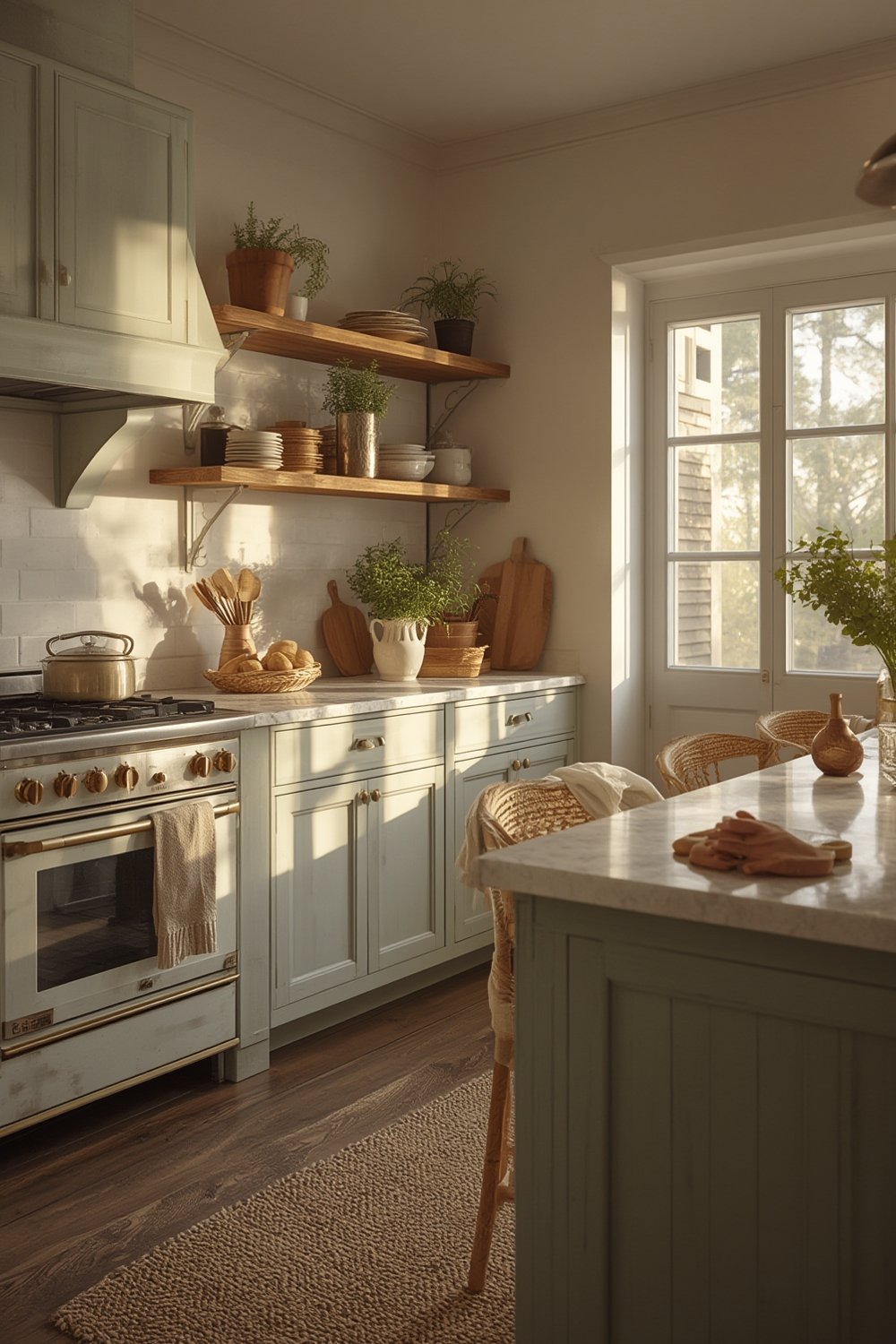
Unlike standard kitchen makeovers, styling a thrifted kitchen is more than swapping one set of pots for another. It’s about layering eras, honoring patina, and mixing materials—resulting in spaces that are truly yours. With kitchenware prices rising and environmental concerns top-of-mind, thrifted solutions help maximize both personality and budget.
Beyond traditional thrift stores, sourcing now includes estate sales, peer-to-peer apps, and curated pop-up events in major cities. The benefits: spending less, reducing waste, and building a kitchen that’s genuinely personal. Downsides? Without some know-how, you risk buying unsafe or hard-to-clean pieces, getting mismatched clutter, or overspending on hidden “resto” fees. But by following a stepwise approach and learning what pitfalls to dodge, your project can be both rewarding and cost-effective.
Step-by-Step Guide: How to Build Your Thrifted Kitchen
- Make a List and Set a Budget
- Decide what areas or displays to thrift: shelves, cooking zones, coffee corners, walls, or open racks.
- Estimate your total spend target; while there’s limited published pricing, expect core cookware or shelf décor to cost from $3 to $15 per piece at most US thrifts (source). Wall art, open shelf brackets, or vintage canisters often sell for less than 40 percent of equivalent new retail. Vintage cast iron may range higher ($10 to $40 depending on brand and condition)—but is still half or less of new, with more character.
- Source: Where and When to Buy
- Hit local thrift stores midweek for less competition, or arrive first-thing Saturday for best selection.
- Estate sales yield higher-end vintage: best deals come on the last day as markdowns hit 50% or 75%.
- Try Facebook Marketplace, OfferUp, or Mercari for sets, rare pieces, or big bundles. For hidden gems, browse antique malls in smaller towns, or hit seasonal flea markets in spring and fall.
- In urban areas, keep up with pop-up thrift events—these often feature curated, higher-quality kitchenware.
- Inspect Before You Buy
- Check for chips, heavy rust, deep stains, or worn coatings.
- Ask sellers about age—avoid pre-2013 nonstick pans, old chipped enamel, or unmarked colored ceramics (lead risk). For cookware, avoid flaking coatings, pitted aluminum, or plastics showing age.
- If safe to do so, perform a quick lead swab test on vintage ceramics. For appliances, inspect cords for fraying and test in-store outlets if possible.
- Deep Clean and Restore
- Wash all cookware in hot soapy water. For vintage cast iron, scrub with salt and oil, then re-season in the oven.
- For musty odors, soak glassware in baking soda water or run through dishwasher. Stainless and glass can withstand diluted vinegar rinses.
- For decor, wipe with mild dish soap on a cloth; disinfect small surfaces if needed. If you score old wood shelves, sand lightly and treat with food-safe oil or wax.
- Style for Intentionality, Not Clutter
- Build a simple palette (example: cream, wood, and brass). Arrange heavy pieces at shelf ends, lighter pieces up top. Alternate stack heights—never crowd.
- Mix one “statement” vintage piece per shelf with neutral basics. Sprinkle in thrifted art, retro canisters, or vintage pitchers for color.
- For open shelving, check brackets and anchors for stability—never exceed shelf’s stated weight. Balance display: three items per shelf is plenty unless doing a full “cabinet of curiosities.”

Combine high-low: mix a gently-used high-end skillet with thrifted glass canisters. For color, consider subtle upgrades with cream kitchen appliances or spearmint kitchen appliances for soft contrast. Build interest with a mix of vintage utensils and hidden storage—like an appliance garage cabinet.
Finish by taking photos of your setup. This helps you spot clutter and dial in shelf spacing and vignette balance. Share your results in online thrift groups for fresh styling feedback—or inspiration for your next thrift haul.
Advanced Analysis & Common Pitfalls
Thrifted kitchens open up huge style potential—but also come with risks most guides ignore.
| Issue | Risk/Downside | How to Avoid or Fix |
|---|---|---|
| Leaded Glazes on Ceramics | Exposure risk, especially on brightly colored vintage mugs and plates | Use lead swab tests (hardware store). Where in doubt, use for display only. |
| Worn Nonstick Cookware | Pre-2013 nonstick may contain PFOA; flakes pose health risk | Skip if scratched, flaking, or no brand/markings. Always ask about age. |
| Rust or Pitting (Cast Iron/Aluminum) | Can weaken cookware or be unsafe | Minor rust: restore with scrub and re-seasoning. Deep pitting: pass. |
| Old, Unmarked Plastics | Possible BPA or phthalates, hard to clean | Choose only marked, rigid plastic; skip if discolored or sticky. |
| Frayed Appliance Cords | Electrical hazard; fire risk | Check cord/plug; replace or skip if unsure. Test outlets on site if possible. |
| Odors & Stains | Mildew, musty smells or deep food stains can persist | Bake glass/ceramic in low oven after cleaning; vinegar or baking soda soaks help. Pass on deeply stained items. |
| Poor Shelf/Wall Anchoring | Sagging, tipping, or falling displays | Always use anchor systems suited to your wall. Check weight limits before styling. |
| Cluttered Styling | Looks messy, overwhelming | Limit each shelf to a few key pieces. Group by color or era for unity. |
If you want your thrifted kitchen to also boast top function, consider integrating new gear with a vintage vibe. For modern appliances, see our guide to the best air fryers 2026 for models with retro-inspired finishes and smart sizing for open shelf living. Pairing modern with vintage also works for cabinets for built-in appliances or hidden storage.
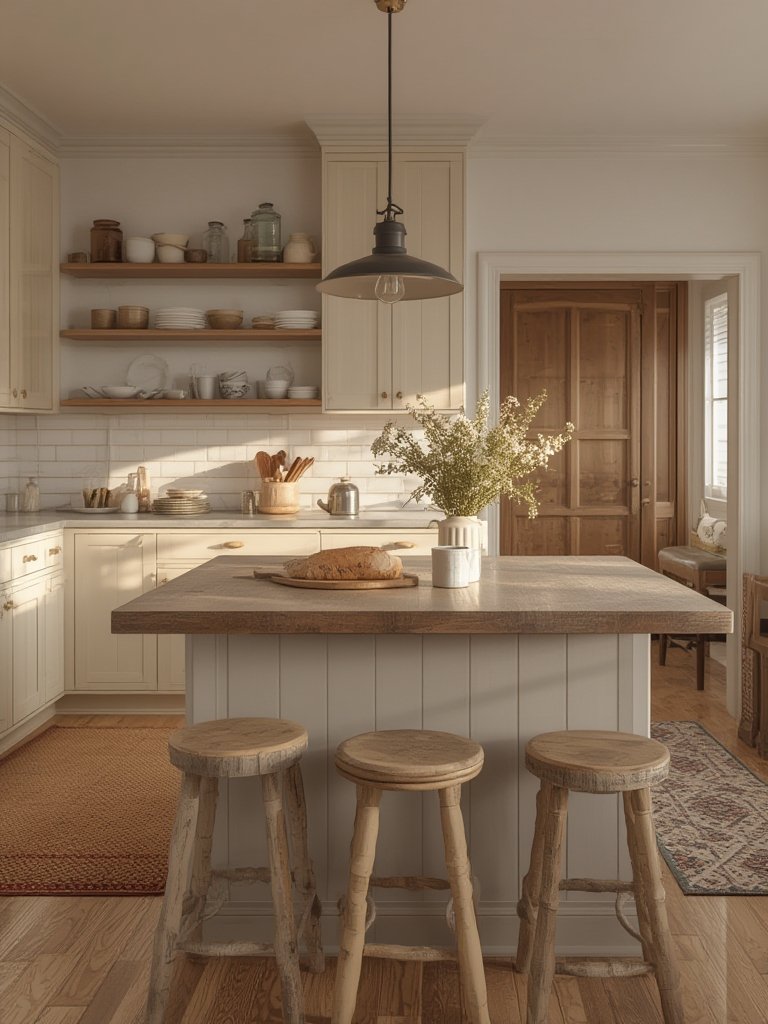
One area most guides ignore is the detailed cost/ROI for creating thrifted vignettes. Average spend for a styled corner (shelf, 2-3 display pieces, wall art) can run $12-$40 at thrift or estate events—well under $100 for new retail, with the bonus of real character and lower environmental impact (source). Price shock hits only if you buy pieces needing extensive restoration or have them professionally refinished.
Restoration itself is usually easy: mild soap, basic lead tests, small appliance cord checks, and seasonal oiling for wood pieces cover most needs. For advanced techniques—full enamel restoration or wire-brush cast iron—you may want to consult local experts or online video tutorials for guidance.
Conclusion
Anyone can build a striking, sustainable, and affordable kitchen by focusing on thrifted kitchens—just use careful sourcing, safety checks, and intentional styling. The result: a kitchen that fits your budget, delivers real personality, and slashes environmental impact. Start your own thrifted kitchen project now by mapping out your wish list and scouting the best local sources. Want more ideas? Explore our inspiration guides for art deco vintage and peel and stick backsplash kitchen vignettes—and show off your thrifted kitchen triumph.
FAQ
How do I tell if vintage kitchenware contains lead?
Brightly colored and hand-painted ceramics made before the 1980s may contain lead-based glazes. You can purchase home lead swab kits from hardware stores for an instant test. When in doubt, use these items for display only, not for food.
What are the best places to find thrifted kitchen decor?
Start with local thrift stores and estate sales. For rare or bundled items, check Facebook Marketplace, OfferUp, or antique malls. Urban pop-up thrift fairs often have the best-curated finds, while rural stores can offer unexpected deals.
How should I clean thrifted cookware and kitchen decor safely?
For cookware, wash in hot soapy water and disinfect as needed. Use baking soda for stains and odors. Vintage cast iron should be scrubbed, dried, and re-seasoned with oil in the oven. For decor, a soft cloth with mild dish soap protects finishes.
Is it safe to use old nonstick pans from thrift stores?
It’s best to skip older nonstick cookware, especially unbranded or scratched pans made before 2013 (possible PFOA content). Modern nonstick has improved safety standards, so buy new if you want to use nonstick for daily cooking.
What’s a realistic budget to style a thrifted kitchen shelf or display?
Most thrifted shelves or wall vignettes can be styled for $12-$40 total, depending on your local market and how many pieces you use. This is much less than new retail, while offering more character and personalization.
—