

Countertop compost bin solutions are now a must-have for eco-conscious kitchens, letting you collect food scraps easily while keeping odors and pests under control—if you choose wisely and maintain them correctly.
Key Takeaways
- Countertop compost bins make daily food scrap collection clean, simple, and nearly odorless when maintained proactively.
- Design choices—like odor filters, lid seals, and bin size—matter far more than price tag or aesthetics.
- Knowing key pitfalls and advanced tips means less mess, wasted money, or kitchen headaches.
- What Is a Countertop Compost Bin and Why Bother?
- Step-By-Step: Using and Maintaining a Kitchen Compost Caddy
- Advanced Analysis & Common Pitfalls
- Conclusion
- FAQ
What Is a Countertop Compost Bin and Why Bother?
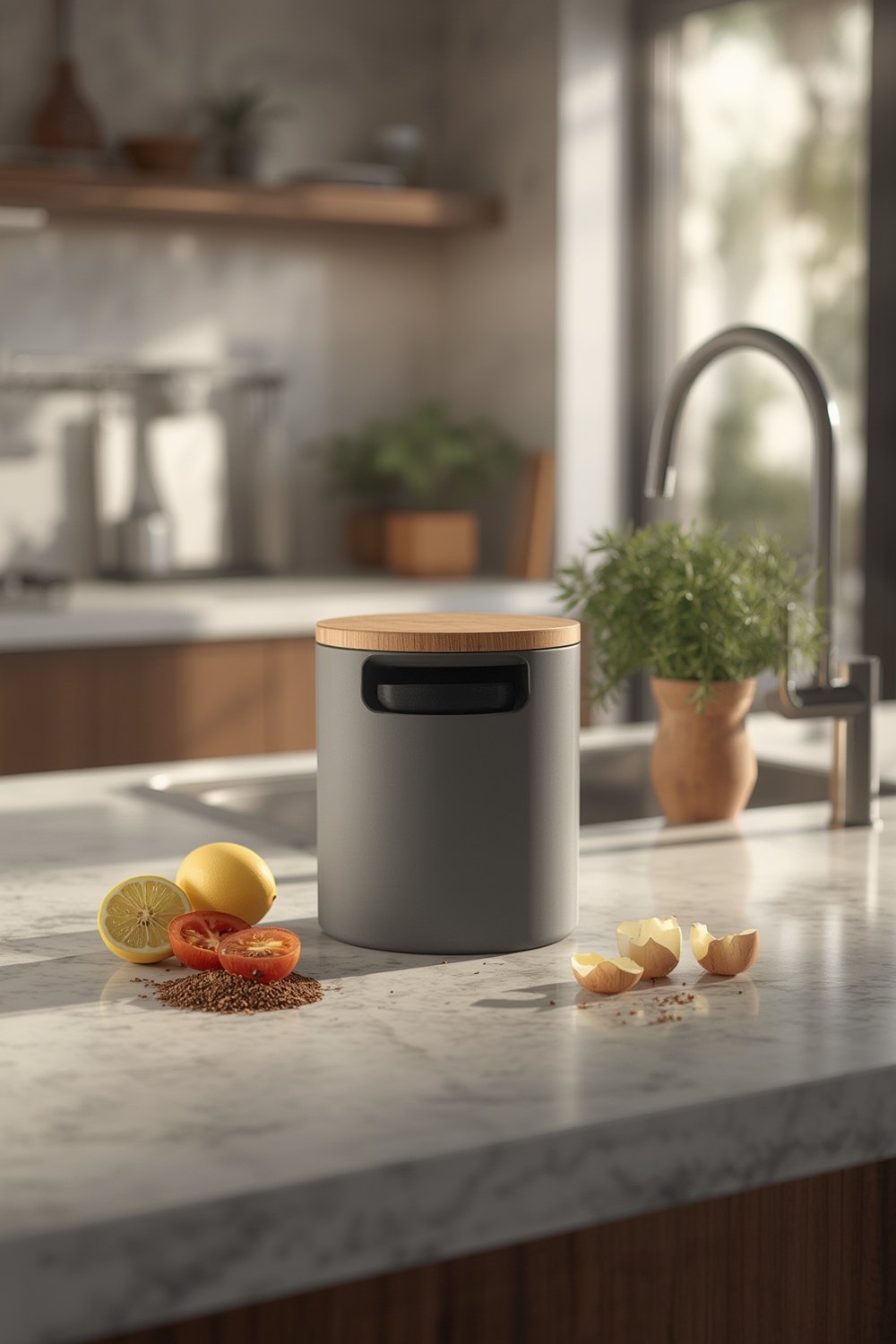
A countertop compost bin—also called a kitchen compost caddy or small kitchen compost bin—is a container you keep on your countertop or under the sink. Its purpose is to collect fruit, vegetable, and other food scraps for composting without trashing your kitchen’s smell or attracting bugs.
Household food waste in the U.S. and Canada is staggering: American families toss nearly 60 million tons per year, and Canadian households generate about 79 kg per household annually, with over 60% avoidable and a large part compostable [source][source][source]. Cutting waste at home starts with a system you’ll actually use—nothing is simpler than collecting scraps right where you cook.
A modern countertop compost container is compact (often 0.75–2 gallons), has a sealing or vented lid, sometimes includes a charcoal filter, and is designed for daily collection with minimal fuss. Models range from sleek stainless to classic ceramic, fitting most design tastes.
For more eco-friendly kitchen inspiration, see our guides to thrifted kitchens and cream kitchen appliances.
Step-By-Step: Using and Maintaining a Kitchen Compost Caddy
Here’s how to actually use a countertop compost bin without ending up with bad smells, leaks, or a fruit fly invasion. If you’re new to composting indoors, the process is much simpler than you might think.
- Choose the Right Bin (Size & Design):
- For 1–2 people or light cooking, a 0.75–1.3 gallon bin is enough.
- For 3–4 people or frequent cooking, size up to 1.5–2 gallons. Be sure your bin fits under the cabinets if you plan to tuck it away—most lids need 12–16 inches clearance.
- Look for a tight-fitting lid and a charcoal filter for best odor control. Stainless bins resist stains, but plastic won’t dent. For seamless integration with built-in kitchens, consider cabinets for built in appliances to hide your compost caddy.
- Place Your Bin Strategically:
- Keep it within arm’s reach of your prep space.
- Avoid storing directly in sunlight or too close to your stove—warmth speeds up decomposition.
- What Goes In (and What to Avoid):
- Safe: Fruit and vegetable peels, coffee grounds, tea bags, eggshells, and plain paper towels.
- Don’t: Meat, dairy, bones, oily foods, or glossy-coated papers—these rot fast or attract pests.
- Use Optional Liners:
- BPI-certified compostable liners simplify cleanup. Some folks use nothing and just rinse; either works if you empty the bin often.
- Avoid plastic bags—they do not break down.
- Maintain Daily or Every Few Days:
- Empty your bin fully to your outdoor compost or green bin before food rots, typically every 1–3 days for best results.
- Quickly rinse the interior with water. Once a week, scrub with mild dish soap or a mix of vinegar and baking soda (no harsh chemicals).
- Replace or air out charcoal filters every 2–3 months—check your bin’s instructions for specifics, as this keeps odors at bay for most small containers.

Want a quieter, cleaner kitchen overall? Pair your compost caddy setup with the best air fryers 2026—some models even have reheat and dehydration modes for minimizing future waste.
Advanced Analysis & Common Pitfalls
There’s no “perfect” compost bin for all kitchens. Poor design, size mismatch, or skipped cleanings can undo your good intentions. Here’s a realistic rundown of the biggest mistakes and what actually matters.
| Design Variable | Why It Matters | What to Look For | What Goes Wrong |
|---|---|---|---|
| Lid Sealing | Adds odor and pest resistance | Silicone or gasketed sealing rim | Loose lids = fruit flies, faster smells |
| Charcoal Filter | Neutralizes smell; blocks bugs | Replaceable, ≥10g of charcoal, covers vent fully | Expired filters allow odors and mold |
| Material (Steel vs Plastic vs Ceramic) | Affects cleaning, stain resistance | Stainless for dishwasher; ceramic for visual | Uncoated steel may rust; ceramic chips |
| Size (Capacity) | Matches household size & disposal rate | 0.75–1.3 gal = 1–2 people; 1.5–2 gal = 4+ | Too small = daily emptying; too big = rotting before full |
| Interior Finish | Makes cleaning simpler | Glossy/micro-smooth surfaces | Rough plastic traps gunk, molds faster |
Buying cheap, filterless bins may seem thrifty at first, but they often end up more work. On the other hand, paying top dollar for a designer bin with no proven odor control offers little real advantage.
No hard data exists on filter lifespan or cost for 2024–2026, but most brands average around $4–$7 per charcoal filter, replaced every 8–12 weeks. That’s $20–$35 for filters annually if you compost year round.
For those with minimal space or heavy cooking loads, consider the “freezer compost scraps” trick: store scraps in a lidded tub or silicone bag in the freezer, then transfer to your outdoor pile or city green bin weekly. This virtually eliminates odor and pest risk—but you lose the instant access and must remember to empty your freezer stash regularly.
Bin too big or clunky for your kitchen? Look into art deco vintage kitchenware or nugget ice maker designs that integrate neatly and don’t clash with modern counters.
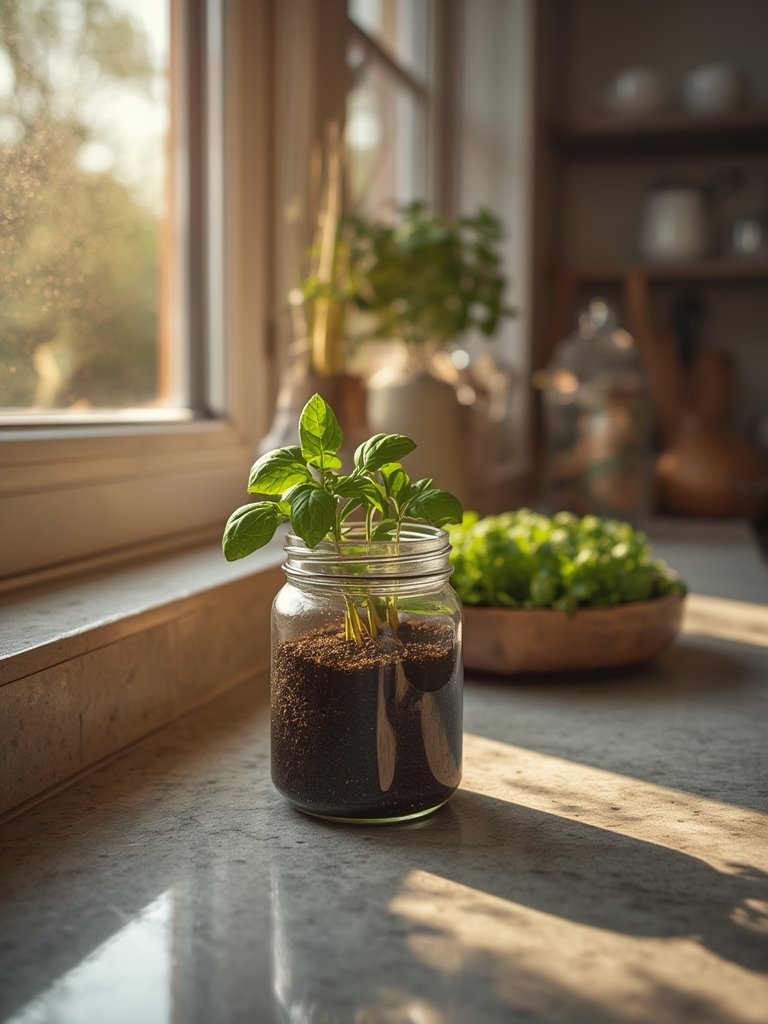
Missing a compost program in your area? Local “green waste” collection policies are evolving—double-check your city or building rules and consider alternatives like backyard tumblers or community drop-off points.
Conclusion
A countertop compost bin is one of the easiest upgrades for a sustainable kitchen, as long as you pick the right size and style, empty it on a regular schedule, and avoid pitfalls like poor sealing or skipped cleanings. With simple maintenance—emptying every 1–3 days, scrubbing once a week, and replacing filters—you can keep kitchen odors and bugs away for good. Ready to cut your food waste and keep your space clean? Choose your countertop compost bin wisely and join the movement for fresher, smarter kitchens.
FAQ
How often should you empty a countertop compost bin?
For most homes, emptying every 1–3 days is best. This prevents odors, pests, and mold—even with charcoal filters. Those who cook heavily may want to empty daily.
Do you need to use compostable liners inside the bin?
No, but they make cleanup faster and can help trap moisture and odors. BPI-certified liners break down in most municipal or backyard compost systems. Some users prefer going liner-free and washing the bin each time.
Which is better: stainless steel, plastic, or ceramic?
Stainless steel is most durable, resists stains, and goes in the dishwasher. Plastic is lightweight and won’t dent but may stain or absorb smells over time. Ceramic looks upscale but is heavy and can chip.
How much do filters cost and how often do you change them?
Charcoal filters typically cost $4–$7 each. Most need changing every 8–12 weeks. If you notice persistent odor or fruit flies, replace sooner.
Can I use the freezer to store compost scraps instead?
Yes. The freezer method eliminates all odor and bug problems. Use a silicone bag or sealable container and empty it weekly. However, this requires freezer space and an extra step to transfer scraps to your main compost system.