

Cabbage dumplings are emerging as a major kitchen trend, winning over home cooks with their budget appeal, gut-friendly fiber, and surprising versatility. In this deep dive, you’ll get the hard facts on what drives the cabbage dumpling search boom, how to master the recipe, and what pitfalls to sidestep for crispy, flavorful results every time.
Key Takeaways
- Cabbage dumpling searches are up 110 percent for 2024–2025, reflecting demand for crunch, comfort, and affordable eats (source).
- Top pain points are excess moisture, wrapper damage, and blandness, but most published recipes don’t offer technical fixes.
- Choosing the right prep, storage, and filling methods prevents common failures like soggy bites or split wrappers—get the real solutions here.
The Core Concept
Cabbage dumplings are bite-sized parcels filled with savory mixtures, then wrapped in dough skins or cabbage leaves. The trend kicks off from a mix of comfort-food culture and a drive for cheaper, smarter ways to cook with vegetables. According to Pinterest Predicts, “cabbage dumpling” searches jumped 110 percent this year as cooks looked for new “crunchy,” “low-waste,” and “fermented” recipes. This popularity is also reflected in related dishes like kimchi dumplings, dumpling bake, and crispy cabbage wraps (see Google Trends 2025).
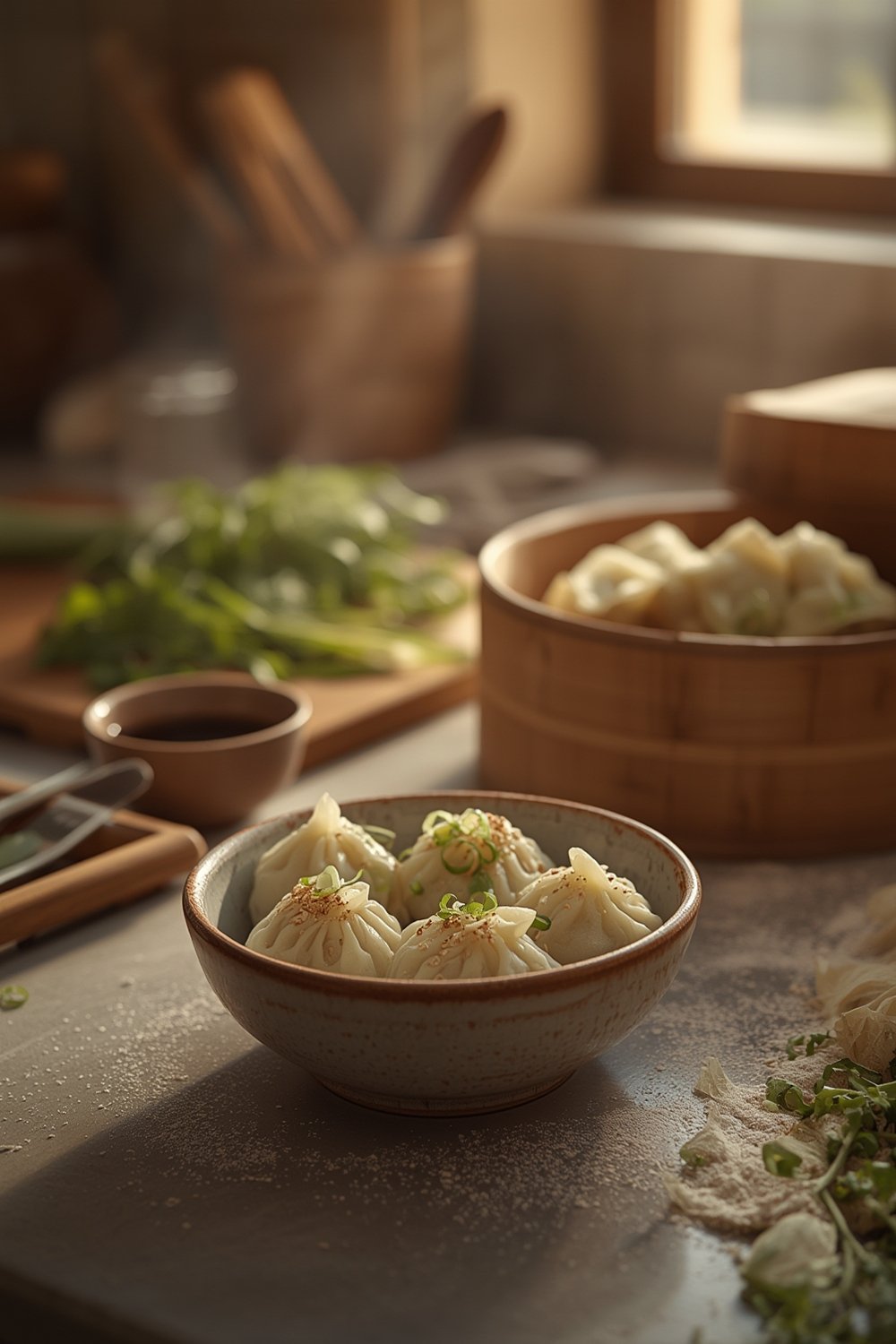
Yet, most recipes online miss technical details: exact moisture control, freezing parameters, or how to avoid blandness. This guide addresses those content gaps head-on. You’ll get evidence-backed solutions—not generic kitchen advice—for cabbage dumplings that turn out restaurant-quality, batch after batch.
Want to take your kitchen craft even further? If you’re into kitchen upgrades that make prep easier, explore our reviews of the best air fryers 2026 for the crispiest finish, or consider cabinets for built in appliances to maximize counter space.
Step-by-Step Guide
- Prepare the Cabbage and Filling:
- Choose green cabbage for wrapping or napa cabbage for filling—it’s affordable ($2.13 to $2.70 per head, per source).
- Thinly slice 2 cups cabbage. Sprinkle with 1/2–3/4 teaspoon salt per cup; toss, then let stand for at least 15 minutes.
- Transfer to a towel and squeeze hard: aim to extract at least 1/3 of the water (about 1/3 cup liquid per packed cup cabbage). Don’t rush this step; watery fillings will ruin texture.
- Mix in desired protein (ground pork, chicken, or tofu), green onion, minced ginger, a trickle of soy or tamari, and a dash of sesame oil. For vegan or gluten-free, choose gluten-free wrappers or stuff into raw boiled cabbage leaves for a “wrapperless” dumpling.
- Assemble the Dumplings:
- Use store-bought dumpling wrappers (or try homemade—though many prefer the convenience of store-bought for weeknight cooks).
- Spoon 1 scant tablespoon of filling in the center. Moisten edges, fold in half, and pinch tightly with no air pockets.
- Alternate: For trending crispy cabbage wraps, lay blanched cabbage leaves flat, stuff, then roll up burrito-style and secure with a toothpick.
- Choose Your Cooking Method:
- Boiled/Steamed: Place on parchment and steam for 6–7 minutes, or simmer gently for 5–6 minutes. Don’t overcrowd the pot; this prevents sticking and splitting.
- Pan-Fried: Sear in hot neutral oil until golden, add a splash of water, then cover. This creates a crisp bottom and a steamed top—classic for potstickers.
- Air Fryer: Brush with oil and cook in a preheated air fryer (400°F) for 8–10 minutes, flipping halfway. See our collection of air fryer recipes for more ideas.
- Freeze or Store Leftovers:
- Arrange uncooked dumplings in a single layer on a parchment-lined baking sheet. Freeze until firm, then transfer to a well-sealed freezer bag (squeeze out air for best texture).
- Use within 2–3 months for best quality. To cook from frozen, add 3–5 extra minutes to boiling or steaming, and up to 10 minutes for air frying—no need to thaw.

To upgrade your kitchen for big-batch prep, look at a cream kitchen appliance setup for seamless style or consult our appliance garage cabinet guide to reduce clutter while making dumpling night easier.
Advanced Analysis & Common Pitfalls
Despite surging interest, most cabbage dumpling recipes fail to mention technical solutions for sogginess, blandness, or storage. Here’s how to avoid the mistakes that often frustrate even experienced cooks.
Comparison: Common Filling Prep Methods
| Prep Method | Moisture Control | Work/Time | Texture/Result | Best For |
|---|---|---|---|---|
| Raw, Salted Cabbage | Good, if well-squeezed (aim for 1/3 water loss per cup) | Quick, 10–15 min salting + 3–5 min squeezing | Crunchy, clean veggie flavor | Classic dumplings, quick weeknight meals |
| Sautéed Cabbage | Great—evaporates water | Medium, 10 min stovetop | Softer, sweeter, slight caramelization | Rich, deeper-tasting fillings |
| Blanched Cabbage Leaves (Wrapper) | N/A (used for wrapper, not filling) | Moderate effort, but ideal for “wrapperless” diets | Firm, toothsome, gluten-free | Gluten-free, low-carb, keto eaters |
| Fermented Cabbage (Kimchi) | Excellent—naturally low moisture | Advanced (requires store-bought or days to ferment) | Tangy, punchy, probiotic-rich | Korean-style or bold-flavor dumplings |
Top Cabbage Dumpling Pitfalls—And How To Solve Them
- Soggy Fillings: Always salt and squeeze cabbage thoroughly. For freezer-friendly options, consider sautéing the cabbage first to remove more water.
- Split/Soggy Wrappers: Never overfill. If boiling, don’t add too many to the pot. Wrapperless versions with cabbage leaves offer extra insurance against splits.
- Cabbage Odor: Fresh is best. Minimize off-odors by using quick-salted or very briefly blanched cabbage—never overcook.
- Blandness: Season both the filling and the dipping sauce. Try adding a touch of soy, five-spice, or umami condiments (even a dab of miso or sriracha works).
- Storage Failure: Freeze in a single layer before bagging. If reheating from frozen, add extra cook time and avoid microwave-only reheating—it promotes mushiness and splitting.
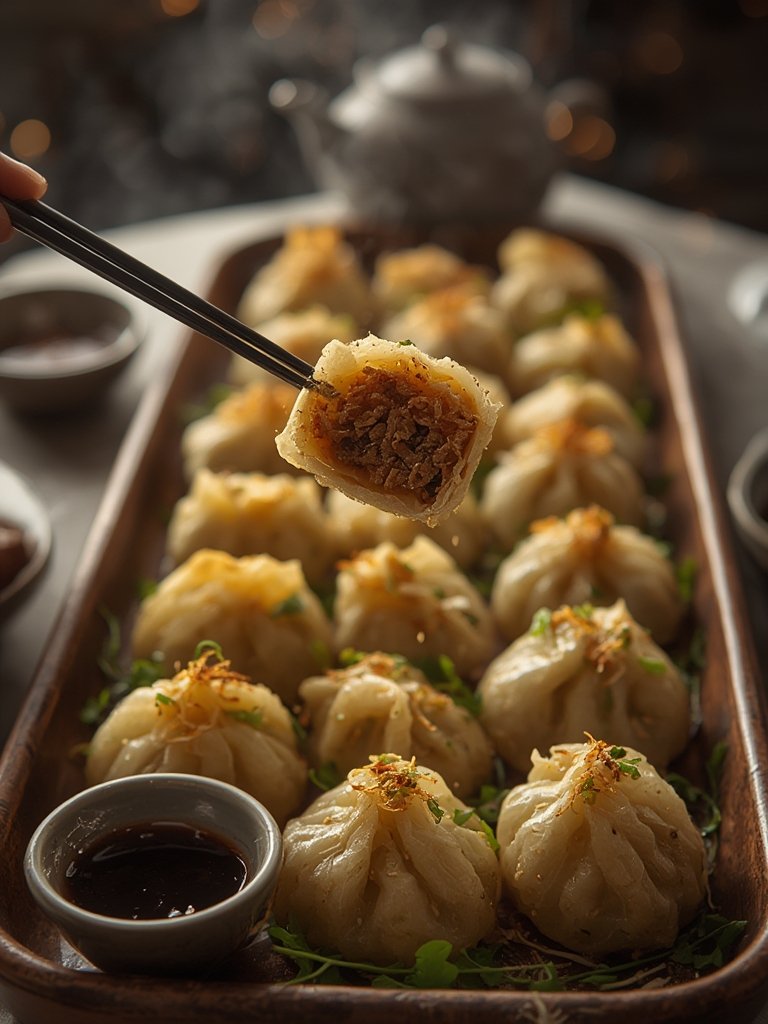
Unlike many “trending” recipes, cabbage dumplings work with a lean seasonal budget (especially when thrifted kitchens are in style), and cabbage is priced low year-round. America’s cabbage consumption grew again in 2024, confirming its popularity (source).
Conclusion
Cabbage dumplings offer a practical, gut-friendly comfort food solution just as demand for cabbage-forward, affordable meals hits record highs. Whether steamed, baked, or air-fried, they can be batch prepped, customized for most diets, and stored ahead. Pay attention to filling moisture and sealing, or try a wrapperless variation for a gluten-free twist. Start experimenting today, and don’t forget to browse our golumpki soup and cabbage steaks guides for more cabbage recipe inspiration.
Ready to make your first batch of cabbage dumplings? Share your results or questions below, or discover more kitchen trends right here.
FAQ
How do I prevent cabbage dumplings from turning soggy?
Salt and squeeze the cabbage thoroughly before mixing the filling. For best texture, extract at least 1/3 of the water content. Sautéing the cabbage before mixing can further reduce moisture.
What’s the easiest gluten-free wrapper alternative?
Use blanched green cabbage leaves as dumpling wrappers for a gluten-free, low-carb option. Boil leaves for 2 minutes, drain, then use for hand-rolled dumplings or wraps.
Can I freeze cabbage dumplings? For how long?
Yes. Arrange uncooked dumplings in a single layer, freeze until solid, then transfer to a sealed freezer bag. Use within 2–3 months for best quality. Cook straight from frozen by adding a few extra minutes to your usual cook time.
Are cabbage dumplings budget-friendly?
Yes—cabbage is usually priced at $2.13–$2.70 per head in 2026. They’re filling, high-fiber, and make a big batch with minimal meat or tofu, making them ideal for economical cooking.
Which air fryer setting is best for cabbage dumplings?
Preheat your air fryer to 400°F, then cook oiled dumplings in a single layer for 8–10 minutes, flipping once for even crisping. For choosing the best air fryer, see our 2026 model comparisons.