

🛒 Looking for the best Cabbage Dumplings? Check the best options on Amazon — trusted by thousands of home cooks.
### Blog Post:
🛒 Looking for the best Cabbage Dumplings? Check out the top-rated options trusted by thousands of home cooks.
Cabbage dumplings are leading the wave in 2026’s comfort food trends, blending affordability, nutrition, and global flavor in a single bite. Whether you love Asian-inspired dumplings or want a modern veggie twist on classic recipes, cabbage dumplings are here to stay — but real-life home cooks still hit snags getting them perfectly crisp or juicy. In this guide, you’ll find a practical, step-by-step approach, learn to troubleshoot common issues, and discover how to maximize both nutrition and taste using trending kitchen gear.
Key Takeaways
- Cabbage dumplings are a budget-friendly, trending choice for comfort and versatility in home cooking.
- Preparation method, cabbage type, and wrapper handling determine dumpling texture and flavor.
- Common pitfalls can be avoided with specific prep hacks, proper equipment, and by following tested steps.
- What Are Cabbage Dumplings and Why Are They Trending?
- How to Make Cabbage Dumplings: Step-by-Step Guide
- Advanced Analysis & Common Pitfalls
- Conclusion
- FAQ
What Are Cabbage Dumplings and Why Are They Trending?
Cabbage dumplings are filled parcels, usually made with cabbage as a main ingredient—either as the wrapper, the filling, or both. These dumplings can be steamed, boiled, fried, or air fry for various textures and flavor profiles. They’re surging in popularity: According to Pinterest’s 2026 predictions, search interest in “cabbage dumplings” jumped by 110 percent, a clear signal that cooks everywhere are embracing this veggie-forward trend.
There are practical reasons for the surge. Cabbage is cheap, stores well, and brings a naturally sweet crunch when handled right. Dumplings themselves cater to meal prepping, portion control, and global flavor experimentation—making them a great fit for busy lifestyles or flexitarian diets. Home cooks are especially drawn to cabbage dumplings as they can fill meatless meals or even be adapted to keto and gluten-free needs with minor tweaks.
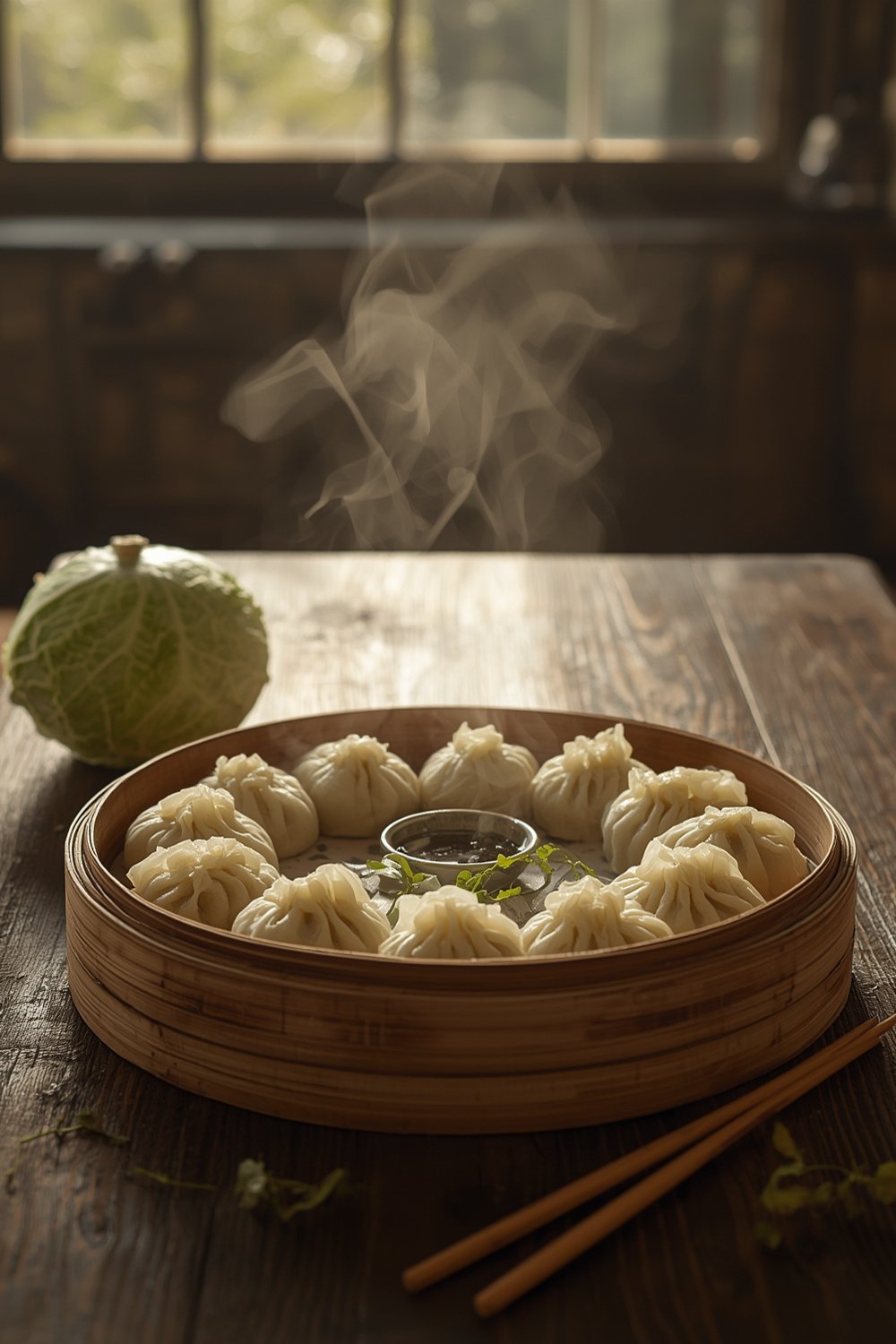
But interest doesn’t stop at filling alone. Social feeds highlight Asian-style wrappers, Eastern European cabbage parcels, and fusion spins using air fryers and alternative grains. If you’re looking for more inspiration on current kitchen appliance trends or want to compare cooking methods, see our guide to the best air fryers 2026 for the top-rated models making dumpling prep even easier.
Understanding this trend means knowing not only what cabbage dumplings are, but why they continue to capture attention for their nutrition, adaptability, and satisfying comfort.
How to Make Cabbage Dumplings: Step-by-Step Guide
⭐ Our Top Pick: Find the best Cabbage Dumplings deals on Amazon — updated daily with verified reviews and competitive prices.
Here’s a practical, realistic method for preparing delicious cabbage dumplings at home. This process is adaptable whether you prefer Chinese jiǎozi, Korean mandu, Polish pierogi, or modern, gluten-free cabbage “wontons.” The key is carefully preparing your filling and handling wrappers or cabbage leaves so they don’t tear or turn soggy.
- Choose Your Cabbage: Savoy and Napa cabbages are ideal for tender wrappers and sweet flavor. Regular green cabbage works for hearty fillings, but may need extra blanching time.
- Prep the Filling: Combine finely chopped cabbage (drained and squeezed as above), aromatics (ginger, garlic, scallions), protein (optional: ground pork, chicken, tofu, or mushrooms), and seasoning (soy, sesame oil, salt, pepper). Mix until tacky but not wet.
- Prepare Wrappers: Use store-bought dumpling wrappers or, for a fully cabbage-based version, blanch large cabbage leaves until pliable. Cool under cold water and pat dry.
- Fill and Shape: Add a spoonful of filling to each wrapper or cabbage leaf. For wrappers, wet the edges, fold, and seal well to avoid bursting. For cabbage leaves, overlap sides and secure with a toothpick if needed.
-
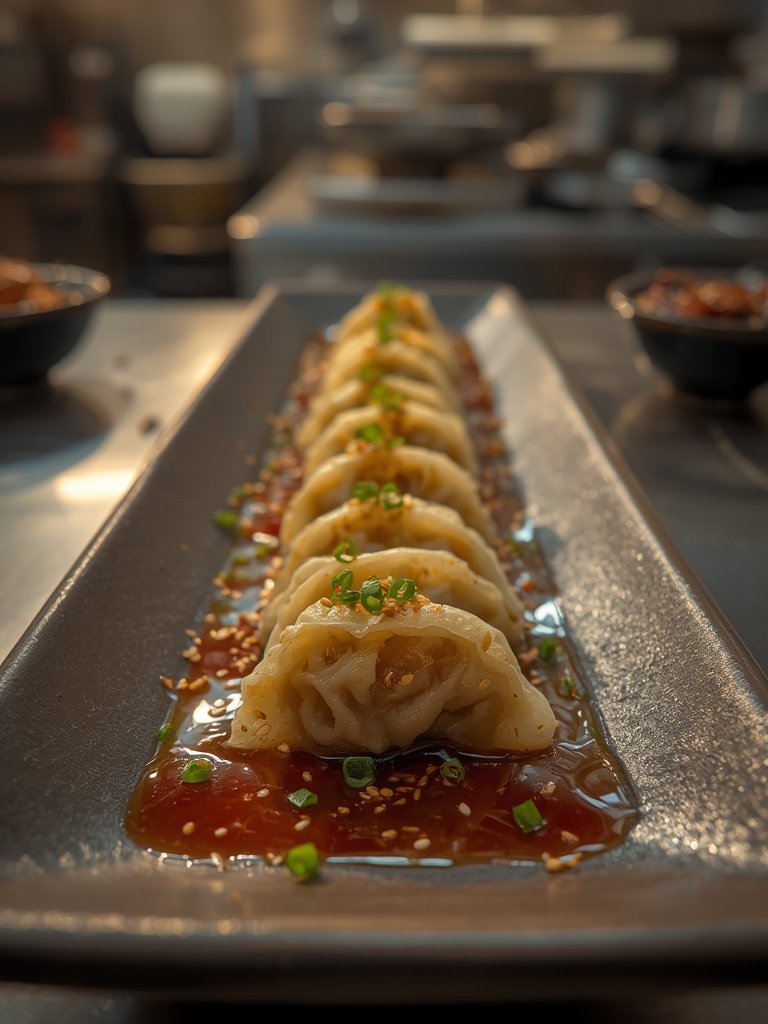
Cook the Dumplings: Steam (8-10 minutes), boil (3-5 minutes, until wrappers float), pan-fry (brown both sides, then add a splash of water and cover to steam through), or air fry (375°F for 8-10 minutes with light oil spray for crisp texture). For the easiest air-fried results, check out our air fryer recipes for temperature and time adjustments.
If you prefer brothy dumplings, drop them into simmering soup—similar to “stuffed cabbage soup,” also called golumpki soup.

Storage Tip: Cabbage dumplings freeze well; just arrange in a single layer on a parchment-lined tray, freeze until solid, then transfer to airtight bags. Cook straight from the freezer, adding a few extra minutes to your normal cooking time.
Looking for more kitchen storage hacks and decluttering solutions while you cook? Consider using a countertop compost bin for trimmings or an appliance garage cabinet to keep gear out of sight.
Advanced Analysis & Common Pitfalls
Even trending, viral recipes like cabbage dumplings come with practical challenges. Home cooks on Reddit and in recipe reviews frequently report:
- Torn or soggy wrappers during assembly or cooking
- Filling leaking or bursting during boiling
- Bland taste when using only cabbage or skipping umami boosters
- Texture issues when overcooking or underblanching cabbage leaves
- Difficulty getting crispness without deep frying
Here’s a side-by-side of common cabbage types, wrapper methods, and typical outcomes:
| Cabbage Type | Wrapper Method | Texture Outcome | Best Cooking Method | Common Pitfall |
|---|---|---|---|---|
| Savoy | Blanched leaf | Tender, flexible | Steam, air fry | Tears easily if overcooked |
| Napa | Chopped, mixed with protein/filler | Juicy, mild flavor | Boil, pan fry | Can get watery if not drained |
| Green/White | Blanched whole | Firm, holds shape | Bake, stew | Stems not soft enough if undercooked |
| Kimchi (fermented) | Chopped, mixed with other fillings | Tangy, spicy | Pan fry, steam | May overpower mild fillings |
For extra crisp without deep frying, try the air fryer method—see our best air fryer picks for quiet, high-performance models. And if you love vintage, cottage-inspired kitchens for your cabbage-filled cooking, our thrifted kitchens post has creative ideas for mixing old and new.
On the culinary side, consider adding umami boosters like chopped mushrooms or a bit of kimchi for bold flavor—a nod to 2026’s biggest food trends in fermentation and vegetable-forward comfort food. If wrappers keep tearing, check moisture at every step, and don’t overfill. When using cabbage as the wrapper, trim thick stems and stack double layers if needed.
Finally, safe storage matters. Cooked dumplings can be kept in the refrigerator for up to 3 days at or below 40°F (4°C). Freeze for longer storage but always reheat thoroughly. If you’re batch cooking, a cabinet for built-in appliances or modular freezer organization helps maintain quality and convenience.
Conclusion
💡 Pro tip: Before buying, compare Cabbage Dumplings prices on Amazon to get the best deal with free shipping options.
Making cabbage dumplings at home is less intimidating once you master the right technique and choose the best cabbage for your needs. Trends show this dish isn’t fading anytime soon—cabbage dumplings fit plant-based, comfort food, and budget-friendly eating styles with ease. Remember: drain cabbage well, watch your wrapping method, and consider kitchen gear upgrades for crispier, more consistent results.
If you haven’t tried making cabbage dumplings yet, gather your ingredients and experiment with fillings, wrappers, and cooking styles. For more trending kitchen tips, browse our other guides and start your own cabbage-centric comfort food revolution today!
🍳 Ready to upgrade your kitchen?
Discover the best Cabbage Dumplings products handpicked for home cooks.
FAQ
Can I freeze cabbage dumplings before cooking?
Yes, assemble dumplings, freeze in a single layer until solid, then transfer to a bag. Cook straight from frozen, adding extra time. Both raw and cooked dumplings freeze well.
What’s the best cabbage variety for dumplings?
For wrappers, Savoy or Napa cabbage work best because they are tender and flexible. For fillings, even standard green or Chinese cabbage is suitable. Kimchi can also be used for a spicy, fermented kick.
My wrappers always tear. What am I doing wrong?
Overfilling, not draining cabbage enough, or using wrappers that are too thin can cause tearing. If using cabbage leaves, blanch them until just tender and trim any thick stems before wrapping.
Can I make cabbage dumplings gluten free?
Absolutely. Skip flour wrappers and use blanched cabbage leaves, or buy gluten-free dumpling wrappers available in most specialty stores. Always check labels for hidden gluten.
Are cabbage dumplings healthy?
Cabbage is low in calories, high in fiber and vitamin C, making cabbage dumplings a healthier alternative to many classic dumplings—especially when steamed or air fried instead of deep-fried.
—