

🛒 Looking for the best Crispy Air Fryer Recipes? Check the best options on Amazon — trusted by thousands of home cooks.
Crispy Air Fryer Recipes: Air fryer recipes are exploding in popularity because they promise crispy, tasty meals with less oil and less mess. But for every viral “perfect” air fryer recipe, there are users frustrated by smoke, soggy breading, and unevenly cooked food. Getting air fryer meals right is simple with a few specific tweaks—if you know the real issues others don’t talk about.
🛒 Looking for the best Crispy Air Fryer Recipes? Check out the top-rated options trusted by thousands of home cooks.
Key Takeaways
- Most air fryer failures come from overcrowding, skipping preheating, and not flipping or shaking food at the right times.
- Few “easy air fryer recipes” actually give you food-specific conversion charts or brand/model cook time differences—so results can vary.
- Use tested adjustments (like exact oil amounts, drying food, preheating 3 minutes) to prevent dry, soggy, or raw-in-the-middle results.
- What Makes Air Fryer Recipes Unique (and Tricky)
- How to Get Perfect Results: Step-by-Step Guide
- Advanced Analysis & Common Pitfalls
- Conclusion
- FAQ
Crispy Air Fryer Recipes: What Makes Air Fryer Recipes Unique (and Tricky)
Air fryer recipes look straightforward: spray, toss, set the timer, and crisp everything. But unlike ovens or stovetops, air fryers rely on tight airflow in a compact chamber, which magnifies small mistakes. Too much moisture, crowded baskets, or skipping a single shake can turn what should be extra crispy wings into a sticky, dull mess. And since air fryer brands and wattages vary, even following the “standard” recipe could lead to burnt edges or raw middles.
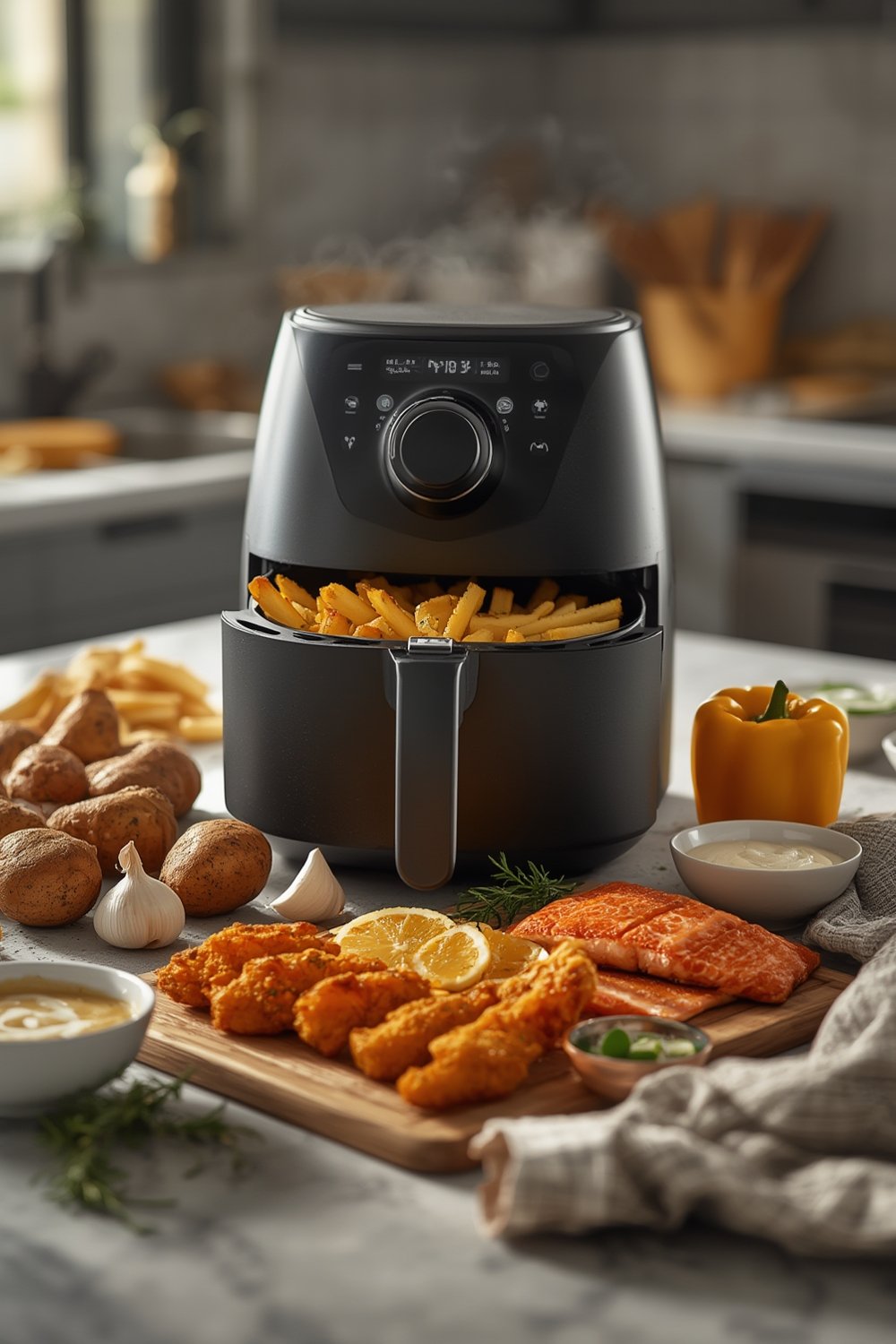
Why does this matter? Search interest for easy air fryer recipes has soared, but most top results skip food-specific conversion charts, cooking safety temps, or details on model-versus-model quirks. To make repeatable success possible, you need tested corrections for known errors—and a way to adjust for your air fryer, the type of cut you’re cooking, and the recipe.
How to Get Perfect Results: Step-by-Step Guide
⭐ Our Top Pick: Find the best Crispy Air Fryer Recipes deals on Amazon — updated daily with verified reviews and competitive prices.
- Preheat your air fryer for three minutes at 400°F. This helps with crisping and color, especially for breaded foods and chicken skin.
- Pat your food completely dry using paper towels. Wet chicken, shrimp, or veggies mean soggy breading and poor seasoning.
- Toss with the right amount of oil. For wings, use 1 tablespoon per pound; for veggies, just a light coating. Toss in a bowl, not in the basket.
- Arrange food in a single layer with space between pieces. Overcrowding causes steaming, not frying. If needed, cook in batches.
- Apply seasoning or breading after oiling, but only if your food is dry (see step 2). Thick batters or double-dipped breadings work best; avoid runny coatings.
- Set temperature and time: Reduce oven recipe temperature by 25°F and time by 20-25%. For example: oven recipe calls for 400°F and 25 minutes; air fry at 375°F for about 19-20 minutes.
- Flip or shake food: For cooks over 15 minutes, shake or flip halfway. For 20+ minutes, shake at 1/3 and 2/3 mark. For small foods (like chickpeas), shake every 5 minutes.
- Check doneness early, especially for new recipes, different cuts, or a new air fryer. Use an instant-read thermometer—wings and chicken need to hit 165°F internal temperature (Source).

- For new cooks: Test your model with small batches and build notes for how it handles different favorites.
- For high-traffic recipes, like air fryer chicken recipes, follow best practices to avoid common pitfalls: pat dry, don’t overcrowd, flip halfway, and cook to 165°F (Source).
- Want to compare air fryer performance, noise, or features for your cooking goals? Start with expert roundups of the best air fryers 2026.
Advanced Analysis & Common Pitfalls
Most recipe blogs skip deep analysis on why air fryer recipes fail or what to do about it. Real-world top issues include:
- Overcrowding: Steamed food, pale fries, and unevenly cooked centers.
- Skipping preheat: Slow color and soggy coating.
- No flip/shake: Raw spots or burned outsides.
- Wet or runny batters: Drip and mess.
- Poor oil technique: Smoke, dry textures, or oil pooling.
- Model-to-model differences: Some air fryers run hot/cold, some have better airflow, and wattage can shift cook times.
Many trending “easy air fryer recipes” neglect these core differences. For example, no top-ranking page supplies a real conversion chart by food type, a breakdown of wattage impact, or even safe internal temperature references beyond “use a thermometer”—making it hard to trust one recipe in another cook’s model.
| Failure | What Goes Wrong | Fix/Actionable Solution |
|---|---|---|
| Overcrowding | Soggy, uneven cooking | Single layer with gaps; use batches |
| No preheating | Poor browning/crisping | Preheat 3 min at 400°F |
| No shake/flip | Raw inside, burned outside | Shake/flip at halfway, or more for long cooks |
| Wet/breaded food | Soggy, messy coating | Pat dry before oil/season |
| Wrong oil use | Smoke, uneven texture | Use right amount; toss, don’t spray directly |
| Recipe conversion errors | Burnt or raw food | Reduce oven temp 25°F, time by 20-25%; adjust by model |
| No inner temp check | Undercooked meat/poultry | Use thermometer, aim for 165°F chicken |
If you want to take your results even further, check out new model-year reviews of best air fryer features and performance. For kitchen upgrades that pair with countertop gadgets, see our guides to cabinets for built in appliances or explore statement looks with cream kitchen appliances or spearmint kitchen appliances.
Food safety is often glossed over. USDA guidance says poultry should always hit 165°F, but many recipe writers leave this out completely (Source).
One more heads-up: Nutrition and meal prep guidance is often generic. If you want “healthy air fryer meals” or prep for grab-and-go lunches, plan to test what holds up in your fridge and check safe storage for each dish.
Conclusion
💡 Pro tip: Before buying, compare Crispy Air Fryer Recipes prices on Amazon to get the best deal with free shipping options.
Success with air fryer recipes is about technique, not guesswork. Preheating, patting food dry, loading in a single layer, and shaking or flipping at the correct intervals makes air fryer favorites—chicken wings, fries, and veggie snacks—consistently crispy and delicious. Remember, no two air fryers are exactly alike, so keep notes on your results and use a food thermometer to guarantee safety. For more tips or to upgrade your setup, explore the latest best air fryer reviews.
Ready to make air fryer recipes that actually work? Try these methods tonight and take your results to the next level.
🍳 Ready to upgrade your kitchen?
Discover the best Crispy Air Fryer Recipes products handpicked for home cooks.
FAQ
Why do my air fryer recipes turn out soggy or pale instead of crispy?
This usually means you’re overcrowding the basket or skipping the preheat. Always use a single layer with gaps, and preheat your air fryer for three minutes at 400°F for best results.
How do I convert oven bake times for air fryer cooking?
Start by reducing the oven temperature by 25°F and the time by 20-25%. For a 400°F, 25-minute oven recipe, air fry at 375°F for about 19-20 minutes. Always check doneness early, since air fryer models vary (Source).
What are the safest internal temperatures for air fryer meats?
Chicken and poultry should reach at least 165°F. Always use an instant-read thermometer to check, especially for bone-in cuts and large batches.
Can I make meal prep in my air fryer, and how do I reheat leftovers?
Yes, but texture varies by recipe. Most breaded or battered foods won’t stay as crispy after 3–5 days. Store in airtight containers and reheat in the air fryer at 350°F until the internal temperature is at least 165°F for poultry. Test reheating times for each dish and your model.
Does every air fryer model cook the same?
No. Brands, basket sizes, and wattages all affect heat circulation and cooking times. Always make a small test batch first, and adjust based on your notes.
—