

🛒 Looking for the best Common Air Fryer Mistakes? Check the best options on Amazon — trusted by thousands of home cooks.
Common Air Fryer Mistakes: Air fryer recipes have surged in popularity as home cooks look for faster, healthier ways to get crisp, flavorful results without the effort or extra oil of traditional frying. Whether you’re new to air frying or want better results, this guide breaks down what makes air fryer cooking so effective—and how to avoid the most common mistakes people make with air fryer recipes.
🛒 Looking for the best Common Air Fryer Mistakes? Check out the top-rated options trusted by thousands of home cooks.
Key Takeaways
- Air fryer recipe searches keep climbing, especially for chicken and easy, healthy dinners.
- Biggest pain points: dried out or uneven food, sogginess, mess. Solve most with simple prep tweaks.
- Few guides offer air fryer conversion charts, model tips, or reheating strategies—knowing these gives you an edge.
- What Makes Air Fryer Recipes Different?
- Step-by-Step: How to Nail Air Fryer Recipes Every Time
- Advanced Analysis & Common Pitfalls
- Conclusion
- Frequently Asked Questions
Common Air Fryer Mistakes: What Makes Air Fryer Recipes Different?
Air fryer recipes stand out because they marry convenience with healthier cooking. Instead of submerging food in oil, the air fryer uses hot, circulating air to crisp the outside of your ingredients. This means you can enjoy crunchy chicken, roasted veggies, and even crispy snacks with a fraction of the oil—and less cleanup.
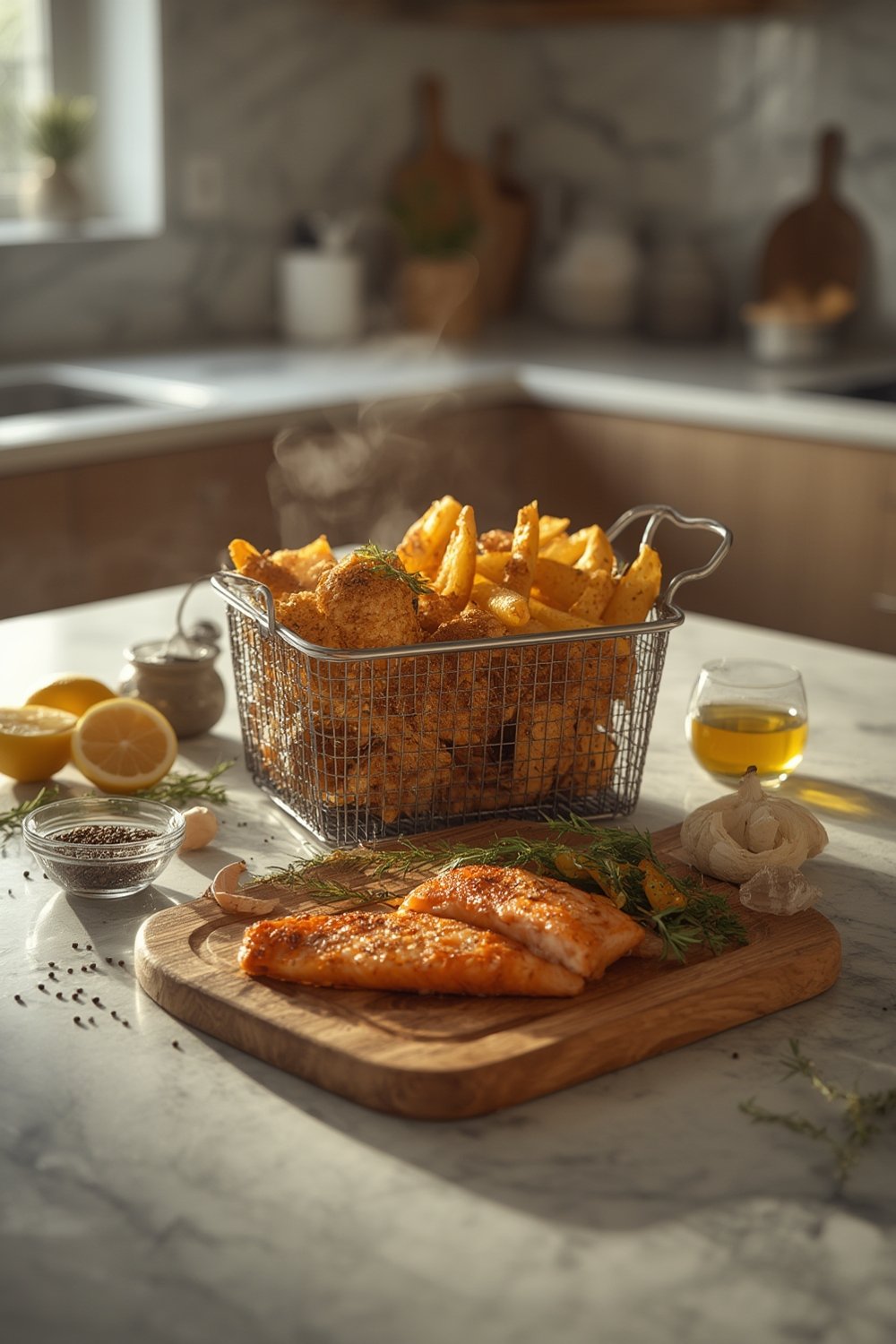
According to trend data for 2024-2026, air fryer recipes peak in the winter and again in the New Year, mostly driven by demand for air fryer chicken recipes, meal prep, and healthy dinner ideas. New users love how air frying is less intimidating than deep-frying and faster than preheating and baking. Even so, technique matters: it’s easy to end up with food that’s overcooked, dried out, or soggy if you don’t know the right tweaks for your machine, size, or ingredient.
Unlike many oven recipes, air fryer recipes haven’t traditionally addressed important differences like model type, basket size, or safe internal temperatures—details that can make or break home results. By understanding these gaps, you can quickly level up your air fryer skills.
For more on choosing the right model, see our guide to the best air fryers 2026.
Step-by-Step: How to Nail Air Fryer Recipes Every Time
⭐ Our Top Pick: Find the best Common Air Fryer Mistakes deals on Amazon — updated daily with verified reviews and competitive prices.
Here’s a streamlined process to optimize your air fryer recipes—for weeknight dinners, quick snacks, or meal prep.
- Choose Your Recipe & Prep Ingredients
Pick recipes that match your experience and time. “Easy air fryer recipes” are best for beginners—think chicken breasts, kale chips, stuffed peppers, or polenta rounds. Chop or pat dry ingredients for best crisping. - Preheat if Needed
Some air fryers preheat automatically; others require 2-4 minutes to reach full temp. Preheating is critical for recipes like chips and chicken to avoid sogginess or underdone centers. - Spritz with Oil (but Don’t Overdo It)
A light mist of olive or avocado oil over veggies or protein helps promote browning and crunch without excess grease. Don’t soak—too much can cause smoking. - Don’t Crowd the Basket
Arrange food in a single layer. Overlapping pieces block airflow and cause pale, uneven results—especially with “no breading” or “crispy” air fryer recipes. - Know Your Temps & Times
Most air fryer recipes use 300°F–400°F:- Asparagus: 300°F for 5–8 min
- Chicken Parmesan: 360°F for 11–13 min
- Stuffed Peppers: 360°F for 10–13 min
- Kale Chips: 370°F for 5–7 min
- Polenta Rounds: 400°F for 10–12 min
Check early—unit differences change results.
- Flip, Shake, or Rotate Halfway
For even browning, turn foods or shake the basket halfway, especially for smaller snacks like chips, fries, or nuggets. - Test for Doneness & Serve Quickly
Use a thermometer for proteins. USDA-recommended safe internal temperatures for chicken: 165°F for breasts, 170°F for thighs, wings, and drumsticks (rest 3+ min after cooking). For more food safety, see our tips in the built-in appliance cabinet guide.

Consider meal prepping protein-packed main courses—like air fryer tuna-stuffed peppers or “no breading” chicken cutlets. Cook multiple servings and store in glass containers. For reheating, return them to the air fryer for 2–4 minutes at 350°F to revive crispness.
Want more neutral, stylish appliance choices? Don’t miss trending cream kitchen appliances, now in demand for modern kitchens.
Advanced Analysis & Common Pitfalls
Despite the ease, it’s common to hit snags as you experiment with new air fryer recipes. Here’s a breakdown of what can go wrong—and exactly how to troubleshoot.
| Pitfall | Why It Happens | Fix |
|---|---|---|
| Food dries out | Too much time; high temp; lean cuts with no coating | Reduce cook time or temp; spritz with oil; marinate chickens or use thicker cuts |
| Uneven cooking | Basket overcrowding; not flipping or shaking | Arrange in single layer; flip or shake halfway |
| Smoking | Too much oil; excess marinade; fatty cuts drip oil | Wipe basket; use oil sprayer, not pour; trim excess fat from meats |
| Soggy breading | Breading too wet; pieces touching; not preheated | Pat food dry; preheat air fryer; spray lightly with oil |
| Burned marinades | Sugary sauces/cooking at high temps | Add glaze/sauce only at the end; lower temp by 25°F |
| Messy basket | Saucy/sticky recipes or crumb drops | Use parchment air fryer liners or foil (check your manual) |
Most recipe websites skip technical specs that influence results: basket size, device wattage, temp fluctuations, or airflow. If your unit is smaller than 4 quarts, halve recipes and check doneness early. If larger (6–10 quarts), don’t hesitate to add a few more pieces, but monitor cooking times since airflow is different. “Air fry” mode uses faster fan speed than “roast” or “bake”—so, if converting an oven recipe, start by halving the time and reduce temp by about 25°F; always check early.
For more detailed conversion strategies, explore our guides to cabbage dumplings and golumpki soup—both feature notes on adapting traditional recipes to modern appliances.
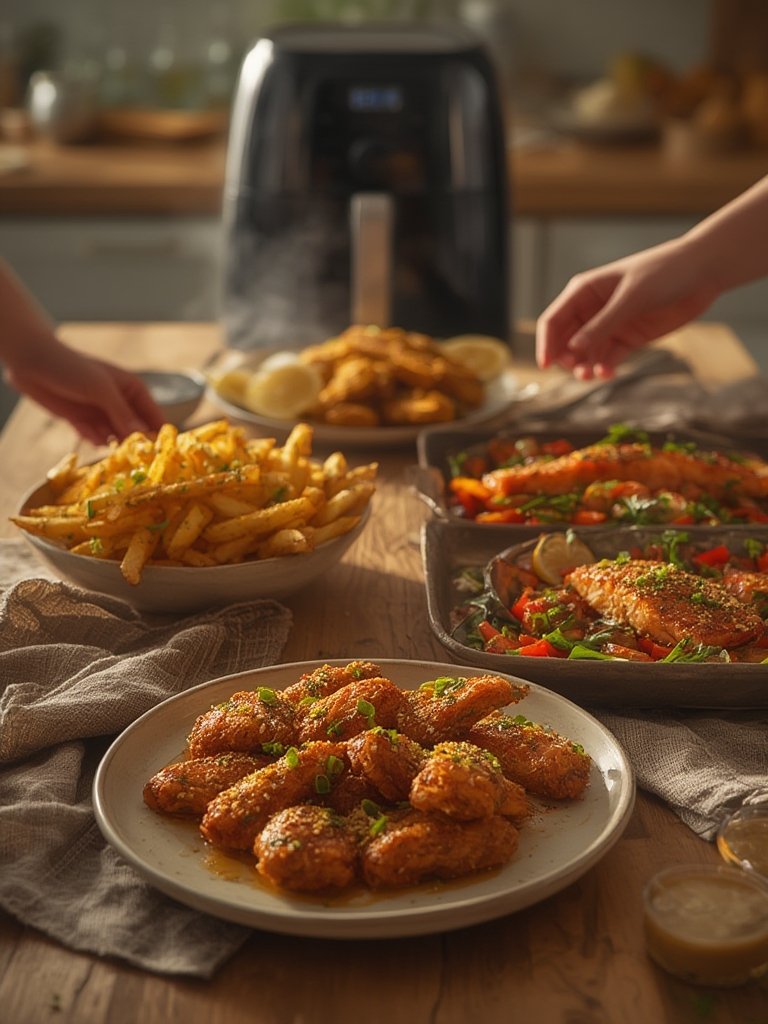
For inspiration on a thriftier, more sustainable kitchen, check out our coverage of thrifted kitchens and vintage appliance finds.
For further technical and trend analysis, see the recent report from Business Insider and practical recipes from leading air fryer cooking videos.
Conclusion
💡 Pro tip: Before buying, compare Common Air Fryer Mistakes prices on Amazon to get the best deal with free shipping options.
With smart tweaks and awareness of your machine’s quirks, almost anyone can succeed with air fryer recipes. Remember: balance basket load, spritz don’t soak, and always check early for doneness—especially for chicken. Whether you want fast healthy meals or next-level snacks, mastering air fryer recipes means fewer headaches—and more time at the table. Try a new recipe today or browse our curated air fryer recipes for a week of better, easier dinners.
Ready to get started? Browse the top trending air fryer meals or compare the best air fryers for 2026 to choose your kitchen MVP.
🍳 Ready to upgrade your kitchen?
Discover the best Common Air Fryer Mistakes products handpicked for home cooks.
Frequently Asked Questions
What size air fryer do I need for family meals?
For most families, a 5- to 6-quart air fryer covers 3–5 servings at once. If you often cook for a crowd or want enough leftovers for meal prep, consider a larger 8- to 10-quart oven-style model. For solo cooks or small kitchens, portable air fryers in the 2- to 4-quart range offer compact convenience—see our guide to the best small air fryers.
Can you put foil or parchment in the air fryer?
Yes—foil or parchment liners help prevent stuck-on food and messy cleanups, but always check your air fryer manual first. Leave space for air to circulate. Never cover or block the basket entirely.
How do I keep breading crispy in the air fryer?
Pat food dry before breading, arrange in a single layer, and spritz the breading with oil for crunch. Don’t crowd the basket, and preheat for best results.
What’s the minimum safe temperature for air fryer chicken?
The USDA recommends cooking all chicken cuts to an internal temperature of 165°F (breasts) to 170°F (thighs, wings, drumsticks). Use a meat thermometer and rest chicken for at least 3 minutes before serving.
How do I reheat leftovers to maintain crispness?
Place leftovers straight in the air fryer at 350°F for 2–4 minutes. This quickly restores sharp edges without drying out the interior—don’t use the microwave for crispy foods if you can avoid it.