

🛒 Looking for the best Built-in Appliance Cabinet Mistakes? Check the best options on Amazon — trusted by thousands of home cooks.
Built-in Appliance Cabinet Mistakes:
🛒 Looking for the best Built-in Appliance Cabinet Mistakes? Check out the top-rated options trusted by thousands of home cooks.
Cabinets for built in appliances are now the go-to solution for homeowners who want a modern, seamless kitchen—and for good reason. But if you rush into a built-in appliance cabinet project without hard facts and practical planning, you risk costly mistakes, appliance misfits, and major headaches down the road. Here is a reality-based guide that ditches the fluff and arms you with exactly what you need to get it right the first time.
Key Takeaways
- Inaccurate measurement and installation errors still account for the majority of built-in appliance cabinet failures—always double-check fits and specs before ordering.
- Critical topics like ventilation, clearance, and installer QA are often overlooked but can make or break your project’s long-term performance.
- Plan for ventilation, fasteners to wall studs, and appliance swing clearances to avoid damage, warranty issues, and costly do-overs.
- What Are Cabinets for Built In Appliances and Why Use Them?
- Step-by-Step Guide: Planning and Installing Built-In Appliance Cabinets
- Advanced Analysis & Common Pitfalls
- Conclusion
- Frequently Asked Questions
Built-in Appliance Cabinet Mistakes: What Are Cabinets for Built In Appliances and Why Use Them?
Cabinets for built in appliances refer to custom or semi-custom cabinetry specifically designed to house appliances like wall ovens, integrated fridges, microwaves, dishwashers, and even coffee systems. The goal? To achieve a flush, “furniture-like” appearance and maximize every square inch of your kitchen, all while hiding unsightly gaps or hoses.
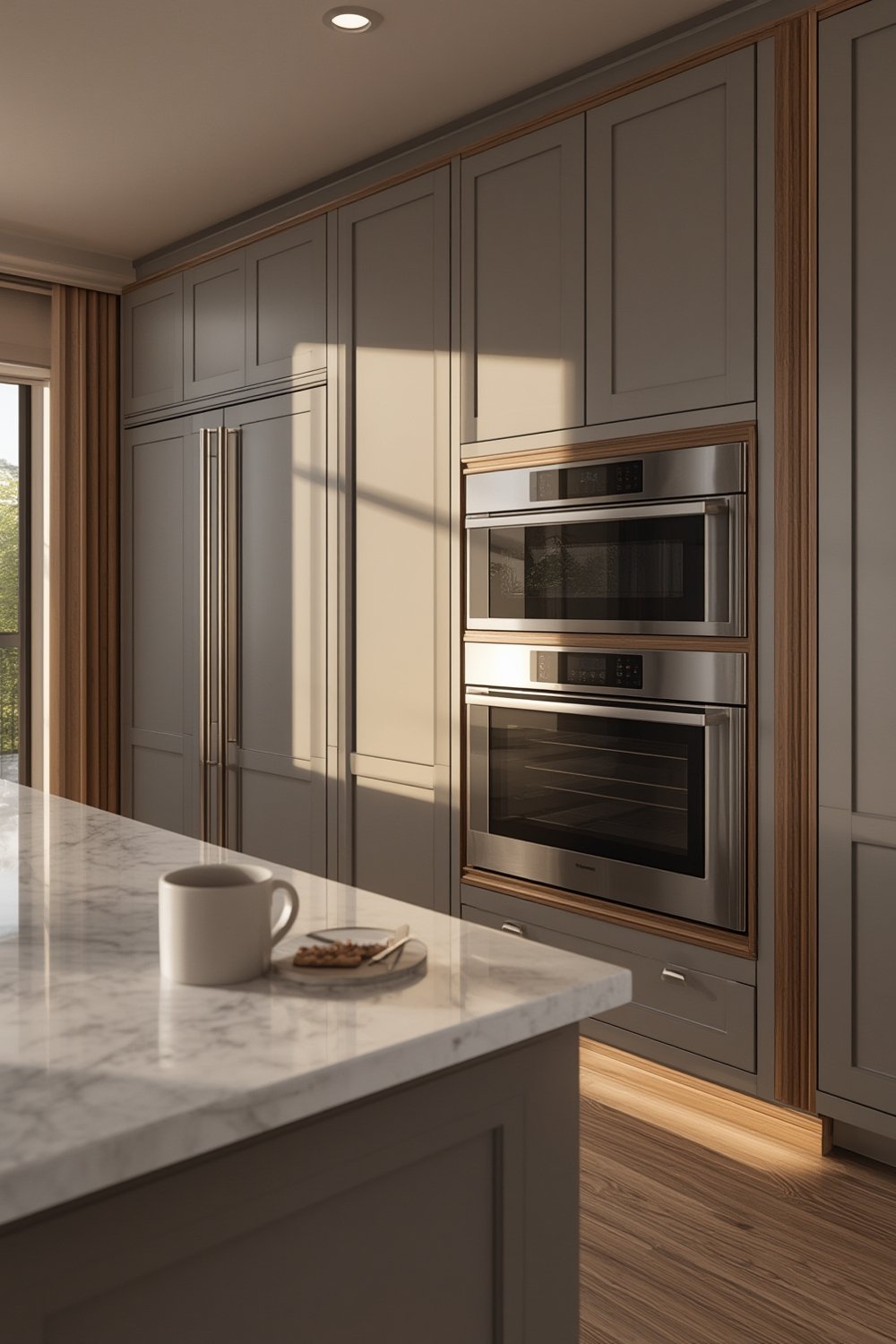
This approach supports trending kitchen designs like handleless cabinets and smooth, minimalist transitions between workflows. With well-planned cabinets for built in appliances, you avoid awkward clearances and create flexible storage zones—including appliance garages for countertop gadgets (see appliance garage cabinet for more ideas).
While demand is rising—according to breakout Google Trends data and industry observations—quantitative market stats for 2024–2026 remain elusive. Still, expert sources like CabinetCorp confirm that more remodelers are specifying built-ins, integrated appliance panels, and panel-ready fridges than ever before.
Step-by-Step Guide: Planning and Installing Built-In Appliance Cabinets
⭐ Our Top Pick: Find the best Built-in Appliance Cabinet Mistakes deals on Amazon — updated daily with verified reviews and competitive prices.
Follow these steps to navigate a built-in appliance cabinet project with confidence and avoid the common disasters that plague so many DIYers and pros alike.
1. Inventory and Measure Everything—Twice
Measure the width, height, and depth of each appliance and compare directly with proposed cabinet cutout dimensions. Don’t trust spec sheets alone: many installation errors (up to 30% as per industry stats) are due to misreading these specs. Check for adjacent cabinet and wall irregularities.
2. Review Ventilation and Electrical Specs for Each Appliance
💡 Pro tip: Before buying, compare Built-in Appliance Cabinet Mistakes prices on Amazon to get the best deal with free shipping options.
Every built-in appliance has minimum rear and side clearances for airflow and safety. Even if generic guides omit this, always ask for the installation manual. Recall that overlooked ventilation is linked to 18% of project failures (source). For large appliances like wall ovens, confirm electrical demands—amperage, voltage, and whether a dedicated line or GFCI/AFCI protection is needed.
3. Plan for Panel-Ready and Integrated Finishes
Choose appliances with integrated appliance panels only if your cabinetry line assures exact fit and panel thickness. If in doubt, consult a compatibility checklist or see our guide to integrated appliance panels for proper matching and design strategies.
4. Check Door Swings and Appliance “Working Zones”
Don’t let a dishwasher or fridge clash into corners, counters, or walls. Map out the fully open position (including panel overlays and handles) and verify at least 2-4 inches clearance from all obstructions. This prevents the 12% of failures tied to inadequate door clearance (source).
5. Confirm Support, Fastening, and Cabinet Construction
Use sturdy cabinet boxes, metal shelf pins, and quality drawer glides to prevent sagging—again, the leading cause of long-term service calls. Always fasten tall cabinets and oven towers securely to wall studs. If you want extra safety, ask your installer for a written list of completed compliance checks.

6. Prioritize Appliance Garages and Specialty Cabinets
Hide clutter with a purpose-built appliance garage cabinet or add a custom cabinet for fridge solution for full integration. These specialty cabinets must be sized based not just on appliance dimensions, but accounting for outlets, ventilation, and even pull-out tray clearances. Explore additional kitchen storage innovation in our thrifted kitchens article for small-space ideas.
7. Schedule Dry Fits Before Final Install
Before permanently fixing cabinets, insert the actual appliance (or your template). This step alone prevents up to a third of call-backs due to “surprise” misalignments on installation day.
8. Final QA and Punchlist
Perform a thorough walk-through using an installer’s QA checklist: check leveling, gaps, hinge alignment, and fastener security. Read more on handling hardware failures and evaluating material quality in our cream kitchen appliances trend update.
Advanced Analysis & Common Pitfalls
Despite the popularity of built-in appliance cabinets, critical challenges persist. Here’s what goes wrong most often—based unfiltered on installer reviews and practical experience:
| Problem | % of Projects Affected | Causes / Notes |
|---|---|---|
| Inaccurate Measurements | 30% | Misreading specs, not checking site conditions |
| Unleveled Cabinet Installation | 20% | Shims skipped, uneven walls or floors |
| Poor Plumbing/Electric Integration | 25% | Delays; mismatched electrical/vent locations |
| Misaligned Doors/Drawers | 15% | Improper hinge install, out-of-square boxes |
| Insufficient Storage Space | 10–15% | Not planning for appliance size or accessories |
| Poor Door Clearance | 12% | Blocking appliance or neighboring cabinets |
| Improper Fasteners | 5–7% | Stability, wall stud anchoring mistakes |
| Inadequate Ventilation | 18% | Moisture, overheating, voided warranties |
Two classic mistakes remain under-appreciated: not checking ventilation needs (which voids warranties and can damage both appliances and cabinetry), and neglecting to anchor tall ovens or fridge cabinets to studs (see this guide). For panel ready models, not all appliances and manufacturers match up—review our integrated appliance panels matrix before you buy.
Unlike most top-ranking guides, we’ve also tackled advanced troubleshooting like installation QA. For further upgrade ideas—such as incorporating specialty finishes—consider reading about cream kitchen appliances and how they complement built-in cabinetry.
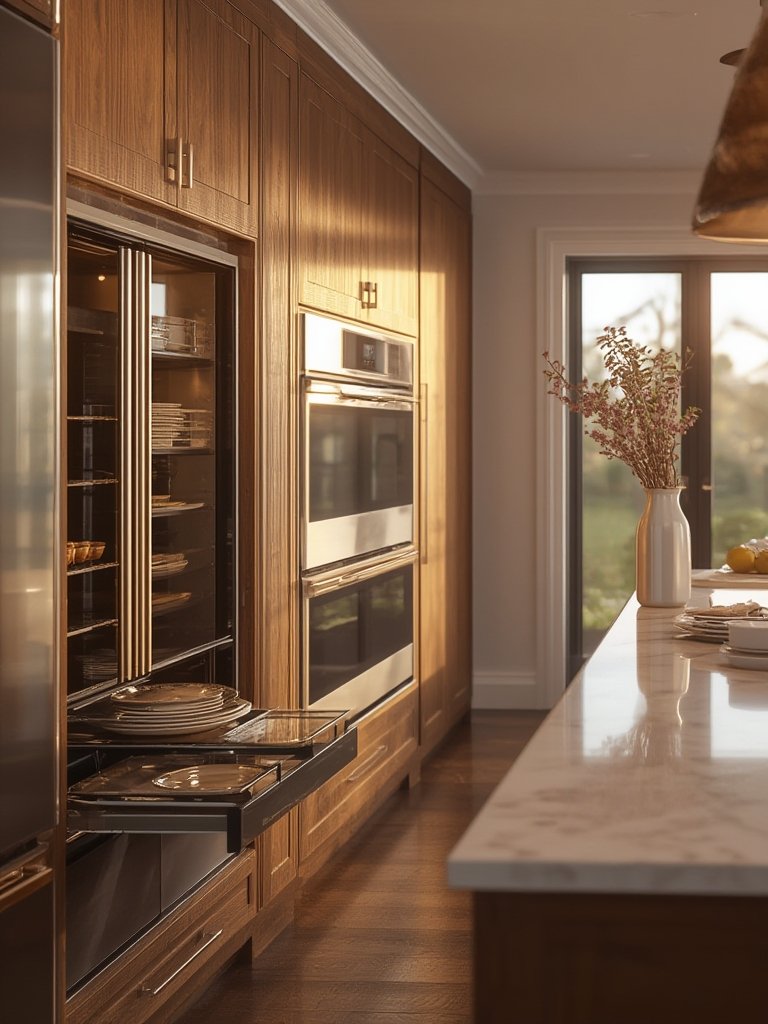
Conclusion
Cabinets for built in appliances are a powerful way to achieve a sleek, modern, space-smart kitchen. But real-world project success depends on attention to dimension details, ventilation, clearances, and robust installation checks—much more than on-the-fly design trends or eye-candy photos. Start with the right info; avoid the common pitfalls above; and demand clear answers from your installer before signing off. Ready to plan or upgrade your own cabinets for built in appliances? Download our installer QA checklist or explore more design ideas in our related articles. If you have questions, leave a comment below.
🍳 Ready to upgrade your kitchen?
Discover the best Built-in Appliance Cabinet Mistakes products handpicked for home cooks.
Frequently Asked Questions
What is the biggest mistake people make with built-in appliance cabinets?
Failing to measure accurately and skipping a dry-fit often leads to misaligned openings and appliances that simply don’t fit. Always use templates and double-check all specs before ordering cabinets.
How do I prevent my built-in fridge or oven from overheating inside the cabinet?
Follow the manufacturer’s ventilation requirements closely. Every built-in appliance needs open airflow paths—typically at the rear or top. Ask for venting diagrams, especially for high-powered ovens and panel-ready fridges.
Can I retrofit built-in appliance cabinets into an older kitchen?
Yes, but plan for extra work. Older cabinetry and crooked walls make accurate fitting more complex. Consider professional help to reframe openings and prevent costly errors.
Is DIY built-in appliance cabinet installation realistic?
It’s possible but risky. Over 30% of large-scale DIY projects run into serious misfits or safety problems. If you try this yourself, have a pro review your measurements and plans before ordering materials.
How much do built-in appliance cabinets typically cost?
Costs range widely based on stock versus custom, location, appliance size, and finish level. While specifics for 2025–2026 are scarce, be wary of “too cheap to be true” bids—they often lead to inferior hardware and future problems.