

🛒 Looking for the best Built-in Appliance Integration Ideas? Check the best options on Amazon — trusted by thousands of home cooks.
Built-in Appliance Integration Ideas: Cabinets for built in appliances are the backbone of a modern, seamless kitchen—but getting them right demands much more than just good taste. Achieving a flawless fit, smooth function, and a true “built-in” effect requires technical know-how, careful planning, and attention to the right brands, codes, and gotchas.
🛒 Looking for the best Built-in Appliance Integration Ideas? Check out the top-rated options trusted by thousands of home cooks.
Key Takeaways
- Built in appliance cabinets are booming—over half of kitchen remodels now incorporate at least one integrated appliance, and high installation costs add 15-25% to the total package.
- Most common pitfalls are poor ventilation, misalignment, and fitment mistakes, which can void warranties and trigger expensive service calls.
- Brands like Bosch, Siemens, LG, and Whirlpool lead integrated compatibility, but exact measurements, clearance and codes are absolutely critical for success.
- Cabinets for Built In Appliances: Core Concept
- How to Design and Install Cabinets for Built In Appliances: Step-by-Step
- Advanced Analysis & Common Pitfalls
- Conclusion & Next Steps
- Frequently Asked Questions
Built-in Appliance Integration Ideas: Cabinets for Built In Appliances: Core Concept
Cabinets for built in appliances are specially designed cabinetry that house appliances like wall ovens, microwaves, panel-ready refrigerators, and dishwashers so they sit flush with surrounding cabinets. The result? Cleaner lines, more usable space, and a premium, custom look. Demand for this design has surged—about 55% of kitchen remodels now feature at least one integrated appliance, and new luxury homes often include three or more.
But unlike simple slide-in appliances, built-ins have precise technical requirements: exact cutouts, proper clearance, robust support, and tailored cabinet faces (especially when using integrated appliance panels). Mistakes can cause overheating, tricky repairs, voided warranties, or total project failure.
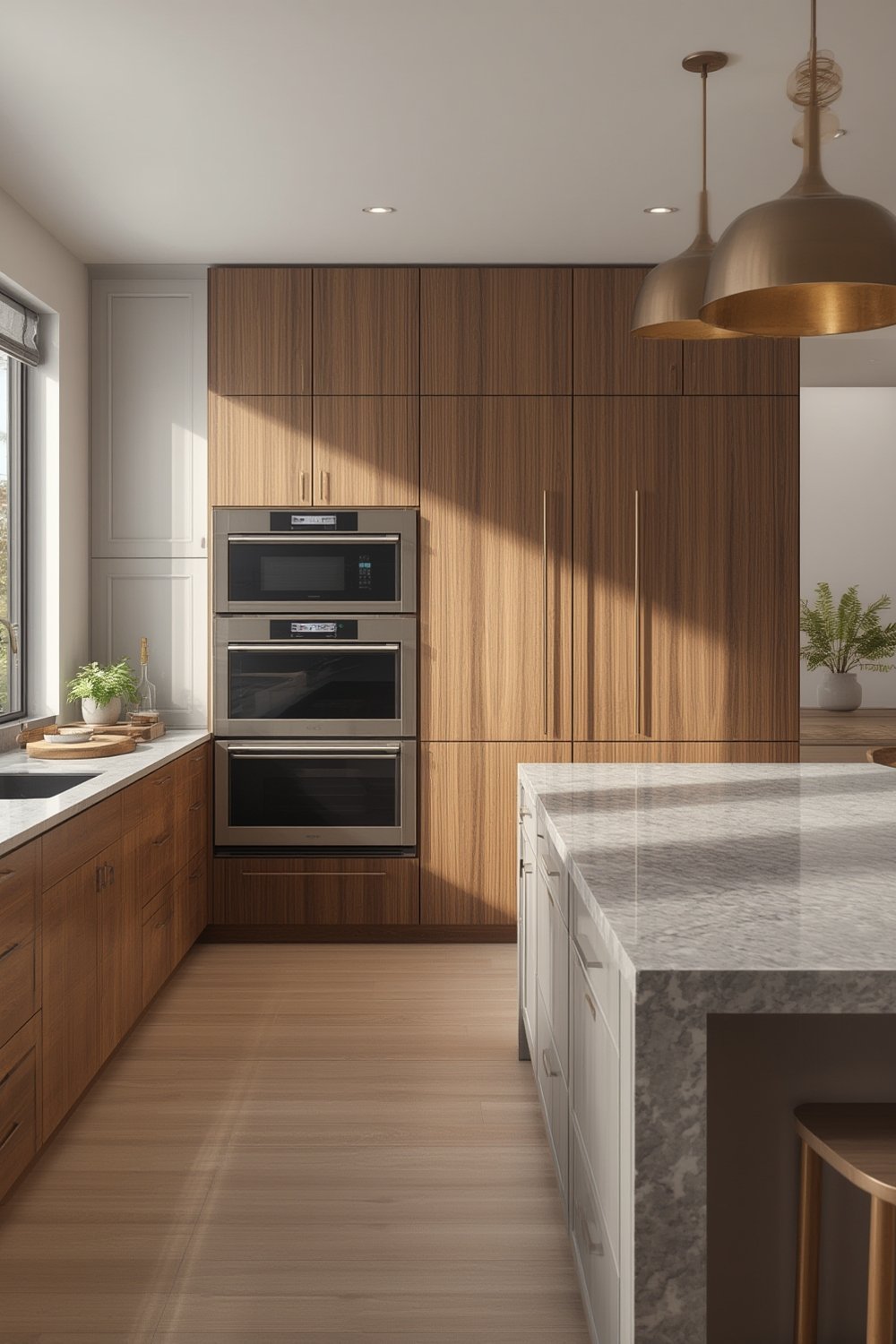
How to Design and Install Cabinets for Built In Appliances: Step-by-Step
⭐ Our Top Pick: Find the best Built-in Appliance Integration Ideas deals on Amazon — updated daily with verified reviews and competitive prices.
- Choose Your Appliance Model Before Cabinets. The cabinet design must match the appliance’s unique installation guide. Decide on brands—top integrators include Bosch, Siemens, LG, Samsung, and Whirlpool for compatibility—then request technical spec sheets before cabinet shopping.
- Measure and Map the Appliance Zones. Mark generously for cutouts, service access, slide clearance, hose and wiring runs, plus future removal for servicing. Measure everything three times; get at least 2-3 authoritative measurement checklists for your specific appliance types.
- Design Cabinets for Ventilation and Weight. Allow for manufacturer-recommended ventilation gaps (especially for ovens and microwaves). Double-check the total weight load, reinforced shelves/floor, and wall-mount anchor integrity.
- Plan for Panel Integration and Swing. If using integrated appliance panels, confirm maximum panel thickness and hinge specs (panel ready dishwasher, panel ready fridge). Overly thick panels, off-brand handles, or incompatible hinges can block proper opening and break the seamless effect.
- Rough In Electrical, Water, and Gas. Ensure proper code compliance—GFCI protection, dedicated circuits, anti-tip brackets for ovens, and if installing a gas range, clear combustion air and heat shielding (best air fryers 2026 are easier by comparison!).
- Install Cabinets—Test Everything Before Final Assembly. Dry-fit every appliance in the cabinet before permanent fastening. Adjust for level, check clearances, swing all doors fully, and inspect if any vibration, noise, or condensation occurs.
- Finishing Touches: Panels and Appliance Garage Options. Add custom panels as specified for true integration, or consider a appliance garage cabinet for hiding small appliances (tambour doors suit tight spaces, while pocket doors offer unobstructed access—check fit before committing).

For tighter budgets, consider high-quality RTA (ready to assemble) cabinet lines that offer purpose-built modules for built-in ovens, microwaves or fridge alcoves—just double-check all specs, as these are unforgiving of sizing mistakes.
Advanced Analysis & Common Pitfalls
Based on installer anecdotes, market experience, and limited trial data, these issues keep coming up with cabinets for built in appliances:
- Overheating from Poor Cabinet Ventilation: Usually with built-in microwaves and ovens—failure to provide top/bottom air space triggers shutdowns, or wrecks finish.
- Door Sag and Misalignment: Heavy integrated fridge or dishwasher panels can stress hinges and warp cabinet faces over time—especially with off-brand handles or thick panels.
- Vibration and Noise: Weak cabinetry or inadequate spacing around appliances (notably dishwashers) can amplify vibration, causing rattling or durability problems.
- Condensation and Leak Issues: Inadequate sealing or improper door gaskets in panel-ready fridges/dishwashers can trigger rot, water stains, and even mold within cabinets.
- Warranty Voids: Installing outside listed specs (especially inadequate electrical, improper panel thickness, or lack of anti-tip devices) can void appliance warranties or insurance coverage.
| Appliance | Most Common Cabinet Mistake | Critical Specification | Recommended Solution |
|---|---|---|---|
| Built-in Oven | Poor venting/incorrect cutout | Min. top/bottom clearance per brand spec | Reference appliance-specific installation PDF, not just generic cabinet plans |
| Panel-Ready Fridge | Overweight panel, door won’t swing | Max. panel thickness/weight (usually 3/4″–1″) | Order brand-matched mounting kits, test fit doors open 90° before final install |
| Built-in Microwave | Vent blocked, unit overheats | Clear air path; never block exhaust with cabinet face | Install per manufacturer’s diagrams, avoid custom trims blocking airflow |
| Dishwasher | Panel too thick, won’t close | Check max panel thickness (often 3/4″) | Stick with appliance-matched panels, avoid custom pulls |
High installation costs—often 15-25% on top of the appliance price—are driven by complexity and skilled labor, especially when working with full custom builds or appliance garage cabinet designs. Ready-to-assemble options are more affordable but less forgiving if anything is off spec.
For detailed statistics, market growth numbers, and deeper reading, see IntelMarketResearch, GrandViewResearch, and MarketReportsWorld.
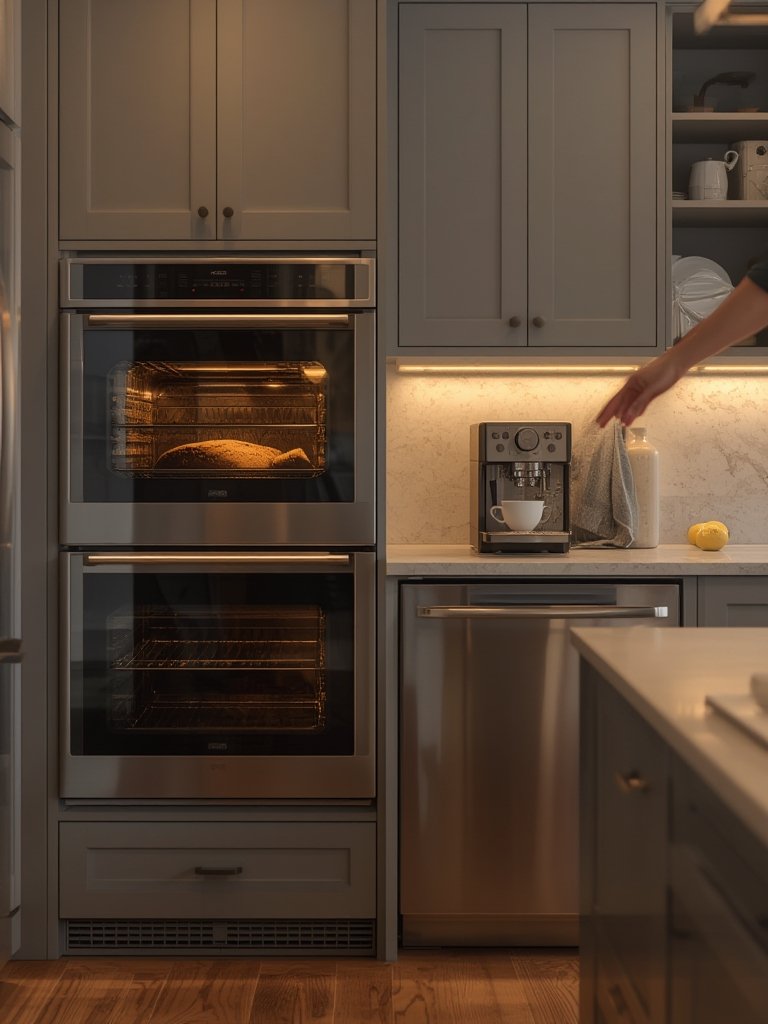
Conclusion & Next Steps
💡 Pro tip: Before buying, compare Built-in Appliance Integration Ideas prices on Amazon to get the best deal with free shipping options.
Building or remodeling with cabinets for built in appliances creates a lasting, high-end kitchen look—but every detail counts for performance and durability. Work closely with trusted brands, double-check specs, and insist on proper measurement and planning to avoid common pitfalls. Combine these strategies with smart features like appliance garage cabinets or panel ready configurations for a truly bespoke result.
Ready to design your kitchen for convenience and seamless style? Start by bookmarking this guide and consult professional designers who supply dimensioned plans and code documentation up front. Have more questions or want inspiration for the rest of the kitchen? Check out our guides for cream kitchen appliances and thrifted kitchens for more innovative, trend-driven kitchen ideas.
🍳 Ready to upgrade your kitchen?
Discover the best Built-in Appliance Integration Ideas products handpicked for home cooks.
Frequently Asked Questions
What’s the main mistake people make with built-in appliance cabinets?
Improper measurements and ignoring the manufacturer’s installation specs lead to misaligned appliances, blocked ventilation, and even voided warranties. Always follow the precise instructions for your appliance model.
Are integrated appliance panels worth it?
If seamless looks are your goal, yes—panel ready appliances let you match cabinet fronts for a custom, streamlined effect. But you must use correct thickness and brand-compatible kits to avoid fitment or door swing issues.
Do I need a pro to install cabinets for built-in appliances?
For most integrated solutions, yes—professional installation helps avoid expensive mistakes, ensures safety, and keeps warranties valid. High complexity and electrical/gas hook-ups often require licensed contractors.
How much more do built-in cabinets cost?
Installation alone usually adds 15-25% to the packaged cost of appliances, with custom cabinetry or extras like an appliance garage driving prices up further.
Which brands are best for built-in or integrated panels?
Leading brands with strong compatibility include Bosch, Siemens, LG, Samsung, Whirlpool, and Electrolux. Review each brand’s panel specs before ordering cabinets.
—