

🛒 Looking for the best Workstation Sink? Check the best options on Amazon — trusted by thousands of home cooks.
Workstation sink integration is transforming both small and large kitchens, helping homeowners and chefs rethink food preparation, organization, and cleanup for greater efficiency and space savings.
🛒 Looking for the best Workstation Sink? Check out the top-rated options trusted by thousands of home cooks.
Key Takeaways
- Workstation sinks combine integrated ledges, sliding accessories, and large single bowls to maximize prep and cleaning efficiency, especially in compact kitchens.
- Choosing the right sink involves matching size, material, accessory support, and installation type to your actual workflow and kitchen constraints.
- Real-world user feedback and cost breakdowns are still limited in mainstream reviews, making hands-on research and careful planning essential before upgrading.
- What Is a Workstation Sink & Why Choose One?
- How to Choose and Install a Workstation Sink (Step-by-Step)
- Advanced Analysis & Common Pitfalls: What Reviews Get Wrong
- Conclusion
- Frequently Asked Questions
What Is a Workstation Sink & Why Choose One?
Workstation sinks are engineered kitchen sinks with integrated ledges that hold slide-in accessories—like cutting boards, colanders, and drying racks—directly over the basin. This setup instantly expands usable counter space and consolidates prep, washing, and cleanup tasks in one footprint.
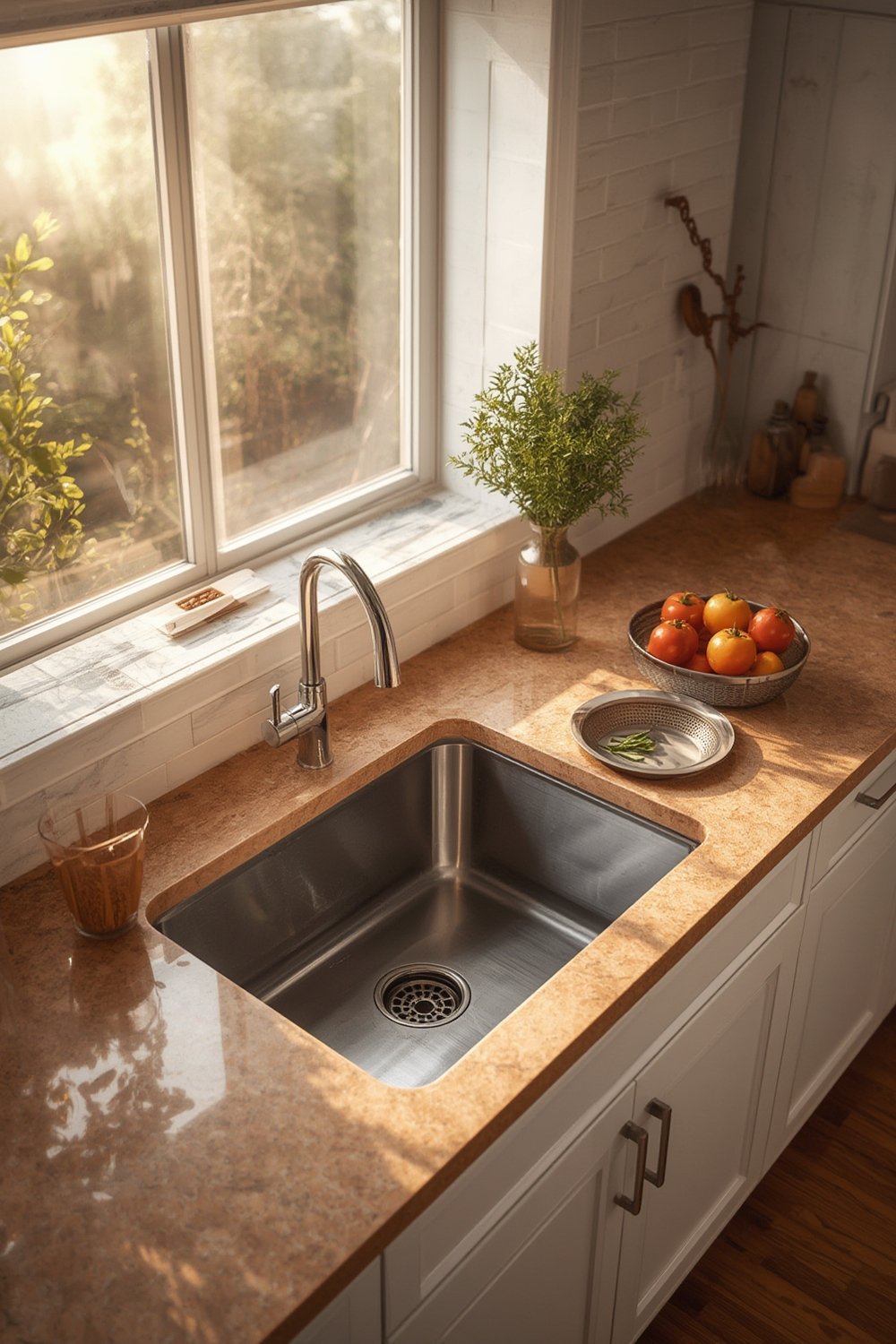
According to recent industry research, over 83% of kitchen professionals now view these sinks as top choices for modern homes, especially where space is at a premium. The integrated design reduces the need for multiple prep stations by consolidating activities—slice, rinse, drain, and dry—right above the basin. This not only creates a more streamlined workflow, but also keeps counters clutter-free and makes transitions between tasks smoother.
Many modular kitchen systems actually recommend workstation sinks as part of their layouts, emphasizing how the accessory-ledges can turn even a tiny kitchen into a flexible prep zone.
How to Choose and Install a Workstation Sink (Step-by-Step)
⭐ Our Top Pick: Find the best Workstation Sink deals on Amazon — updated daily with verified reviews and competitive prices.
Upgrading to a workstation sink is a practical move—but maximizing the benefits means careful selection and a thoughtful installation process. Here’s a step-by-step guide for homeowners, condo dwellers, or renovation pros.
-
Assess your space and workflow needs
- Measure current sink width, depth, and cabinet size. Standard workstation sinks start at 32–33 inches, but larger 45–47 inch designs are now popular for baking sheets and big pots.
- Decide between undermount or top-mount installation. Undermounts look sleeker but require precise counter cuts.
- Think about single bowl vs. double bowl—most new workstation models use a single extra-large basin to fit accessories.
-
Choose your material and gauge
- Stainless steel (especially 16-gauge) is prized for durability and ease of cleaning. See tips for pairing with other stainless accents here.
- Quartz composite, fireclay, granite, and PVD-colored stainless add unique looks and low-maintenance benefits. Compare scratch resistance and preferred finish.
-
Pick essential accessories
- Cutting boards (especially acacia wood) are top requests for prep efficiency.
- Colanders, drying racks, and strainers let you rinse and dry without moving items off the sink.
- Opt for ledge systems that support sliding or stacking multiple tools for true multifunctionality.
Learn more about key workstation accessories in our step-by-step sink buying guide.
-
Verify sound-dampening and drainage features
- Look for sound-absorption tech (like Ruvati’s SilentShield) to reduce noise from running water or heavy pots.
- Offset drains provide more usable under-sink space—especially for slide-out trash or recycling bins.
-
Schedule installation or DIY it
- Professional install is recommended, especially for stone countertops and undermount sinks.
- If DIY, be wary of mounting challenges and the need for waterproof sealing around ledges and accessories.

Finally, don’t forget to integrate other space-saving upgrades—such as modular cabinets, large format tiles, and a functional compact coffee station—to create a cohesive kitchen that maximizes every square foot.
Advanced Analysis & Common Pitfalls: What Reviews Get Wrong
Most workstation sink reviews highlight the convenience and efficiency of these systems. But as adoption grows rapidly (with the kitchen sinks market expected to hit $5.72 billion by 2031[source]), new downsides and surprises have emerged—some missing from brand marketing and surface-level buying guides.
Three Overlooked Pitfalls
💡 Pro tip: Before buying, compare Workstation Sink prices on Amazon to get the best deal with free shipping options.
- Accessory Storage Headaches: Many workstation sinks ship with multiple large accessories, but few reviews discuss where to store unused cutting boards, racks, or strainers. If your kitchen lacks deep drawers or vertical cabinet space, these can become clutter hazards.
- Cleaning All the Crevices: The more ledges, grooves, and removable parts, the more places for food grime to gather. Cheaply made ledge systems or thin-gauge stainless can develop mineral buildup and require frequent scrubbing.
- Installation Surprises: Many new models require deeper cabinets, special mounting brackets, or even modifications to existing countertops—especially if upsizing from a traditional double bowl. If you’re in a rental or have custom cabinets, modifications may be tricky.
Technical Comparison Table: Key Specifications
| Feature | Workstation Sink | Traditional Sink |
|---|---|---|
| Standard Sizes | 32–47 inches, mostly single bowl | 22–33 inches, often double bowl |
| Material Choices | 16-gauge stainless, quartz, fireclay, PVD, granite composite | 18/20-gauge steel, porcelain, composite |
| Integrated Accessories | Cutting board, colander, drying rack, strainer | Rare (often aftermarket only) |
| Installation Type | Top-mount or undermount (pro install recommended) | Top-mount most common, DIY friendly |
| Noise Reduction | SilentShield or similar tech | Rarely included |
| Common Pitfalls | Accessory storage, installs, ledge cleaning | Limited workspace, double bowl impracticality |
See more about design and market trends here
What Reviews Still Miss
- Lack of Real User Data: Most buying guides do not share installation pain points, long-term maintenance issues, or durability reports. Few address faucet compatibility, filter add-on quirks, or return/exchange headaches if size is wrong.
- Little Pricing Transparency: Most guides, and even manufacturers, rarely list actual costs for sink plus accessories, let alone installation by region or countertop type.
- No Workflow Metrics: Claims of “time saved” or “counter space gained” are rarely backed with numbers or side-by-side tests. Homeowners must rely on subjective impressions.
Conclusion
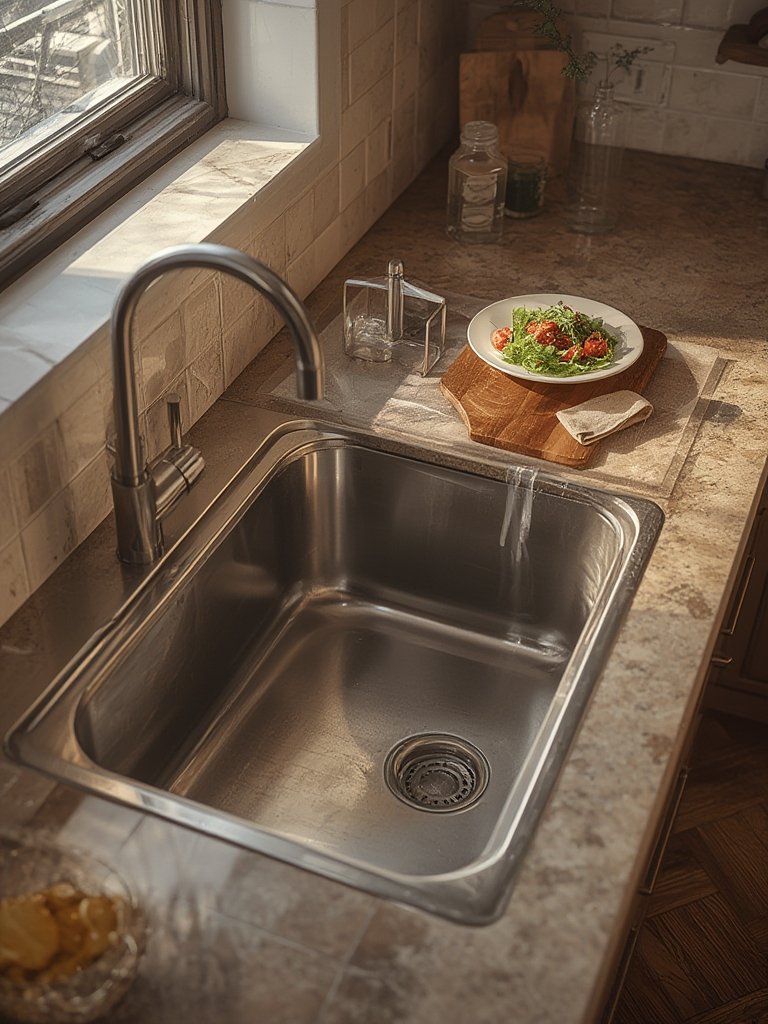
Adopting a workstation sink is one of the fastest, most effective upgrades for a smarter, more organized kitchen—provided you match the size, material, and accessory set to your real-world needs. These sinks move prep, rinsing, and cleanup into a single streamlined workflow, especially when combined with careful planning and modular storage solutions. However, because credible user reviews and comprehensive pricing breakdowns are still scarce, take the extra time to research, measure, and consult a pro for installation advice wherever possible.
Ready to plan your kitchen upgrade? Start by identifying the workstation sink model and accessory setup that fit your cooking style—and check out our other guides to space-saving kitchen upgrades and seamless countertop design. With the right choices, your workstation sink will streamline every meal from prep to cleanup. Have questions or want to share your experience? Leave a comment below or explore our full sink buying guides for expert tips.
🍳 Ready to upgrade your kitchen?
Discover the best Workstation Sink products handpicked for home cooks.
Frequently Asked Questions
What is the main advantage of a workstation sink over a regular kitchen sink?
Workstation sinks include integrated ledges for sliding custom accessories—such as cutting boards and drying racks—so you can prep, rinse, and clean all in one place, maximizing efficiency and saving counter space.
Can I install a workstation sink in my existing kitchen cabinet?
Most workstation sinks can replace standard sinks if the cabinet width and depth fit. However, larger models (over 33 inches) or undermount sinks may require countertop modifications or extra support. Always measure carefully and check specs.
Are stainless steel or quartz workstation sinks better?
Stainless steel (especially 16-gauge) is most popular for its durability and classic look, while quartz and fireclay resist staining and offer premium colors. Your choice depends on your desired finish, maintenance routine, and budget.
Do I have to buy all accessories from the sink manufacturer?
No, but it’s best to use accessories designed specifically for your sink’s ledge dimensions to ensure a secure fit. Many third-party brands now offer cutting boards, racks, and strainers sized for popular workstation sinks.
Are workstation sinks hard to keep clean?
They can require extra care due to more ledges and moving parts. It’s important to regularly clean the accessory tracks and any grooves to prevent buildup. Choosing high-quality materials also reduces maintenance.