

🛒 Looking for the best Stove Top Cover Board? Check the best options on Amazon — trusted by thousands of home cooks.
Stove top cover board upgrades are one of the easiest kitchen solutions for adding instant counter space, hiding a messy cooktop, or even transforming your stove into a prep station when it’s not in use.
🛒 Looking for the best Stove Top Cover Board? Check out the top-rated options trusted by thousands of home cooks.
Key Takeaways
- Stove top cover boards boost usable work surface but must be carefully matched for size, material, and stove type.
- Wood, tempered glass, and metal each offer tradeoffs in durability, food safety, and appearance—avoid leaving any cover on when burners are warm.
- There are persistent gaps in user reviews, fit guidance, and data—customization, safety, and measuring are the top challenges you’ll face.
- What Is a Stove Top Cover Board and Why Use One?
- Step-by-Step Guide to Stove Top Cover Board Selection and Use
- Advanced Analysis & Common Pitfalls With Stove Top Cover Boards
- Conclusion
- Frequently Asked Questions
What Is a Stove Top Cover Board and Why Use One?
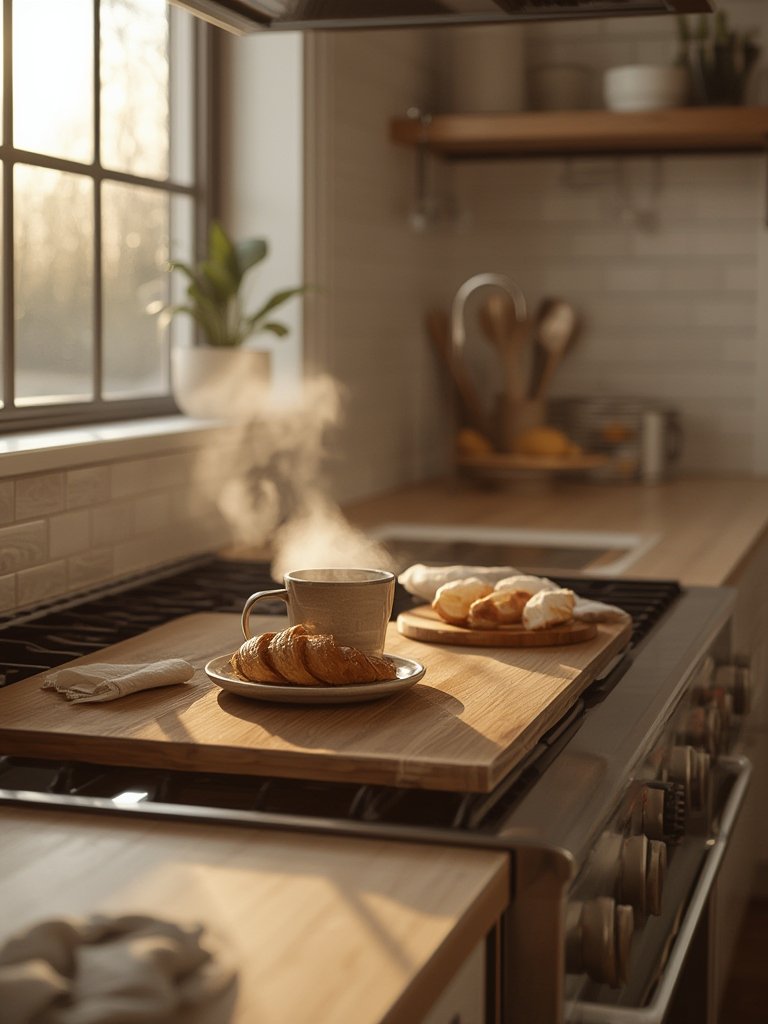
A stove top cover board—sometimes called a noodle board or stove cover—sits right on top of your burners when your stove isn’t needed. Its main purpose is to give you more counter area for prepping, serving, or even rolling out dough. Many people also use these covers to hide old or stained stoves during kitchen makeovers.
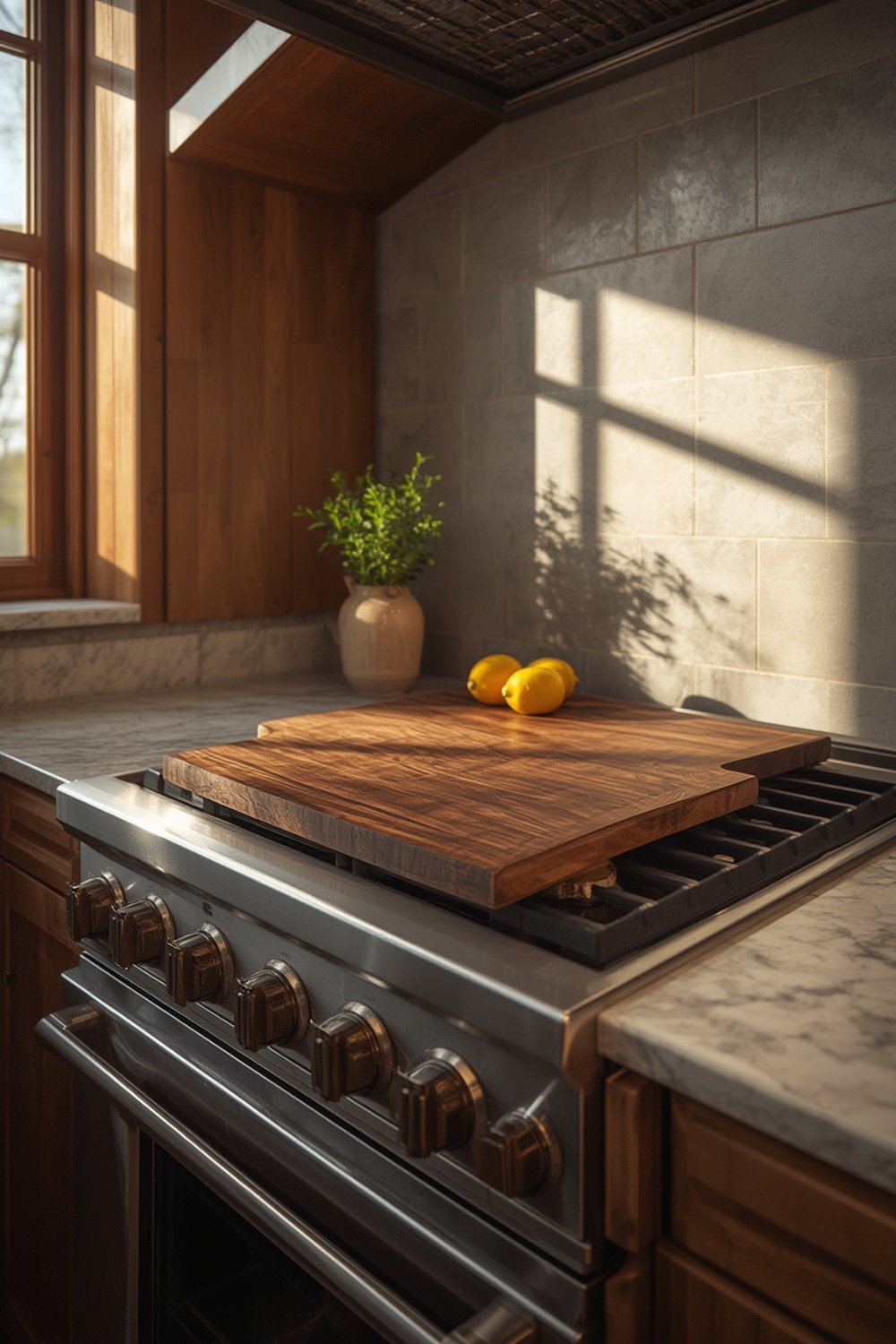
Most modern covers are crafted from food-safe hardwood (think beech, maple, or acacia), tempered glass for a sleek look, or metal for a tough, industrial feel. The rising interest in functional kitchen accessories has only boosted the demand for these versatile boards. Latest market reports predict the overall stove cover market reaching $7.6 billion by 2033, highlighting how popular custom and decorative stove boards are becoming—even if exact sales for noodle boards remain unclear.
People choose stove top cover boards for several reasons:
- Adds counter space: Especially handy in small or modular kitchen systems.
- Keeps kids and pets safe: Acts as a barrier to accidental burner activation (source).
- Decor/transformation: Personalizes your kitchen and conceals messes between cleans.
Keep in mind: not all covers suit every stove. Gas and electric models require different safety precautions that most buyers overlook (more on that below).
Step-by-Step Guide to Stove Top Cover Board Selection and Use
⭐ Our Top Pick: Find the best Stove Top Cover Board deals on Amazon — updated daily with verified reviews and competitive prices.
Choosing (or DIY building) the right board makes a huge difference in both functionality and safety. Here’s how to do it step by step:
-
Measure your stove precisely.
Use a tape measure to get exact width and depth, including any rear control panels or raised edges. Custom covers, especially if you’re using a specialty marble or engraved wooden design (example), need millimeter-accurate measurements. Standard sizes may leave gaps or rock on uneven burners.
-
Choose the right material for your kitchen workflow.
- Hardwood: Best if you want to double as a cutting board. Ensure food-safe finish. Durable and classic but can stain if not cared for.
- Tempered glass: Sleek, modern, and easy to wipe. Heat-tolerant but noisy if dropped. Not for chopping.
- Metal: Most durable and easy to clean – industrial kitchens prefer this. Can be heavy and not always food-safe unless specified.
-
Check compatibility with your stove type.
Gas stoves have grates and open flames underneath; covers must never be used when any burner is hot or pilot flames are exposed. With electric stoves, ensure the cover sits flush and doesn’t tip or rock.
-
Pick features that suit your routine.
Want a cover that transforms into a serving tray? Models with handles or raised legs (for ventilation) are ideal for that. If slicing or prepping, ensure the finish is safe for food contact.
-
Never use the stove with the cover board in place.
No matter the material or brand, remove the board before igniting any burner or turning on an electric coil. Even tempered glass can crack with residual heat and wood may warp or start a fire under intense heat.
-
Easy cleaning is a must.
Sand down scratches in wood, wash glass or metal with soapy water. Re-oil wooden covers after heavy use if you want to keep using them as a cutting surface.

DIY Noodle Board Tips
If you’re going the DIY route, lack of detailed templates or plans is a big drawback (custom handmade examples here). Essential tips:
- Always use kiln-dried food-safe hardwood for safety and appearance.
- Sand edges carefully—unfinished corners are a major source of splinters and snagged clothes.
- Include robust handles if you plan to move it often—thin or weak handles are often the first thing to break.
- Test your fit before sealing or finishing—many stumble here, only to discover their board won’t sit flat or clear the back panel.
Explore more storage and counter-maximizing options with our in-depth look at modular kitchen systems.
Advanced Analysis & Common Pitfalls With Stove Top Cover Boards
💡 Pro tip: Before buying, compare Stove Top Cover Board prices on Amazon to get the best deal with free shipping options.
Despite their simplicity, stove top cover boards present practical challenges and overlooked safety issues. Here’s what’s missing in most guides—and what you should expect if you want a seamless upgrade.
| Problem | Gas Stove | Electric Stove |
|---|---|---|
| Fit Issues | Raised grates cause rocking unless cover has deep side rails | Smooth tops are easy—but beware of covers that scratch glass/ceramic |
| Sturdiness | Heavy covers can damage burner components if dropped—especially cast iron ones | Cheap plywood or MDF may bow over warm elements |
| Safety | Never leave a board on if pilot lights or burners are even slightly warm—risk of fire or warping | Electric coils cool slowly—prematurely placing cover can ruin finish |
| Cleaning | Grease buildup from gas cooking beneath raises cross-contamination risk if also used for food | Residue from glass-topped stoves may stain underside of cover |
No external tests or quantitative review data on real-world durability, but major issues mentioned in user forums and indirect complaints include:
- No standard sizing—buying blindly often leads to covers that block rear controls or vents.
- Cheaply made boards delaminate or warp rapidly if exposed to heat or humidity.
- Gas stove users sometimes place covers back too soon, risking scorched undersides or even minor fires.
- DIY-ers underestimate sanding or finishing; rough boards feel cheap and shed splinters into dough or food.
- Marble or heavy custom covers can crack glass-topped stoves if dropped carelessly (especially in modern kitchen remodels where counter and cooktop are flush).
When evaluating whether to buy a cutting board style cover, weigh these factors carefully. If you want an upgrade that’s both practical and aesthetic, see how integrated workstation sinks can further streamline your prep area in our workstation sink buying guide.
Conclusion
Stove top cover boards are a fast, affordable way to maximize counter space, hide unsightly burners, and add stylistic flair to any kitchen layout. But “best” depends on your stove type, kitchen habits, and the materials you trust for prepping food. With fit and fire safety as the top priorities, taking extra time to measure, choose the right material, and follow proper usage makes all the difference. Don’t cut corners—invest wisely, and always put safety first with your stove top cover board upgrade.
Ready to find your ideal cover? Shop custom boards or compare options, then check out kitchen storage upgrades in our modular kitchen systems guide.
🍳 Ready to upgrade your kitchen?
Discover the best Stove Top Cover Board products handpicked for home cooks.
Frequently Asked Questions
Can I leave a stove top cover board on when the stove is hot?
No. Always wait for all burners or elements to cool to room temperature before placing any cover on your stove. Even “heat resistant” covers can warp or become a fire hazard if exposed to active or recently used burners.
What material is best for a stove top cover board that doubles as a cutting surface?
Hardwood (like maple or beech) with a food-grade finish is the safest and most practical choice. Tempered glass looks modern but isn’t suitable for chopping. Metal covers may dull blades and aren’t food-prep friendly.
How do I find the right size for my stove?
Carefully measure your stove’s width and depth, accounting for any raised edges or controls. Compare this to the listed external dimensions of any cover board before you buy—if in doubt, custom is better than standard.
Are there universal covers, or do I need a custom one?
There are many “standard” sized covers, but due to differences in stove shapes and controls, custom or adjustable models fit best—especially if you have a non-standard cooktop or use a combination of burners and griddles.
Is it safe to use a noodle board on a gas stove?
Only if the stove is completely cool and there are no active pilot lights. Remove the cover before turning on any burner, and never let it sit on a warming oven or grill top as high heat can warp or ignite the board.